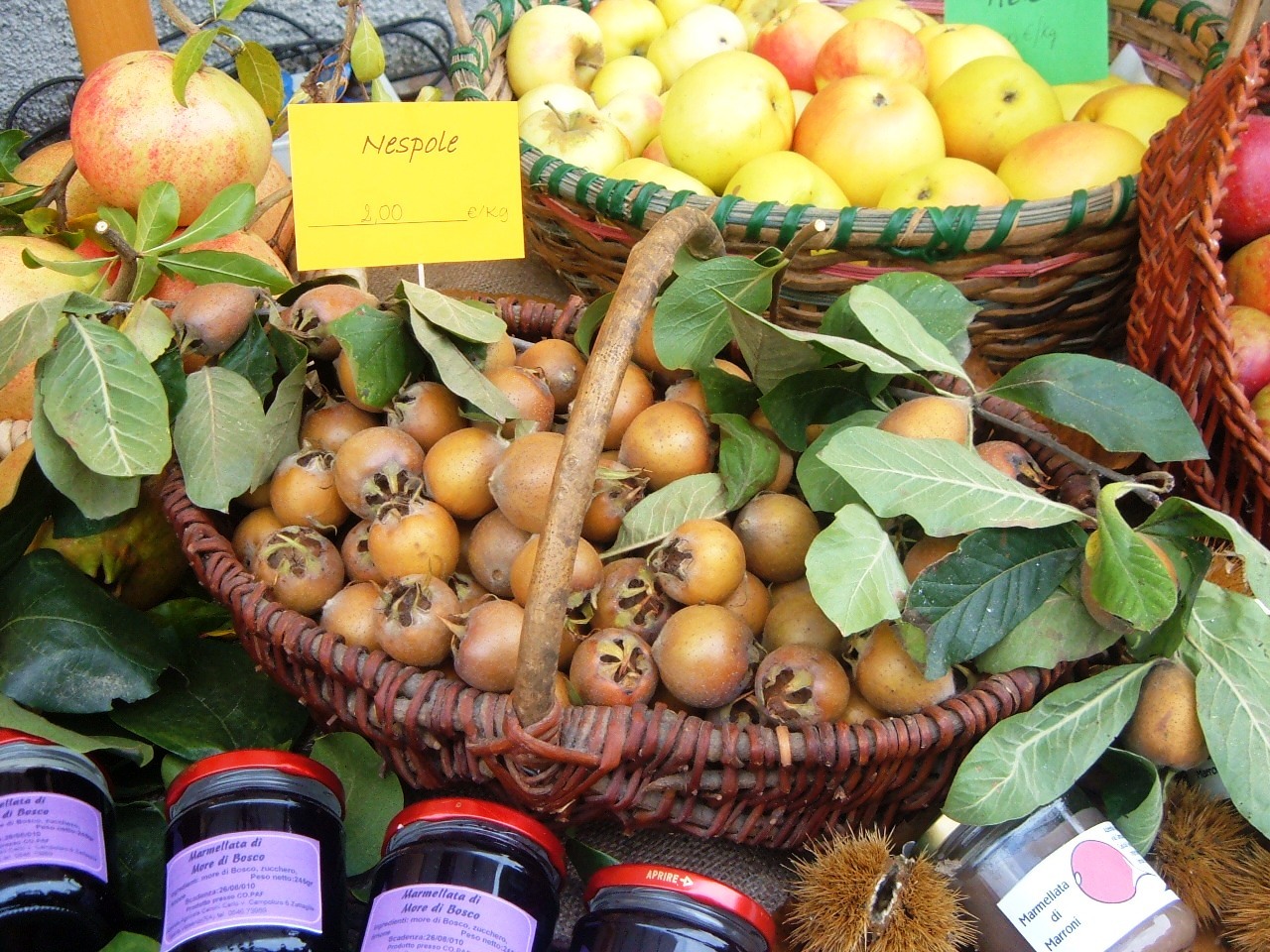
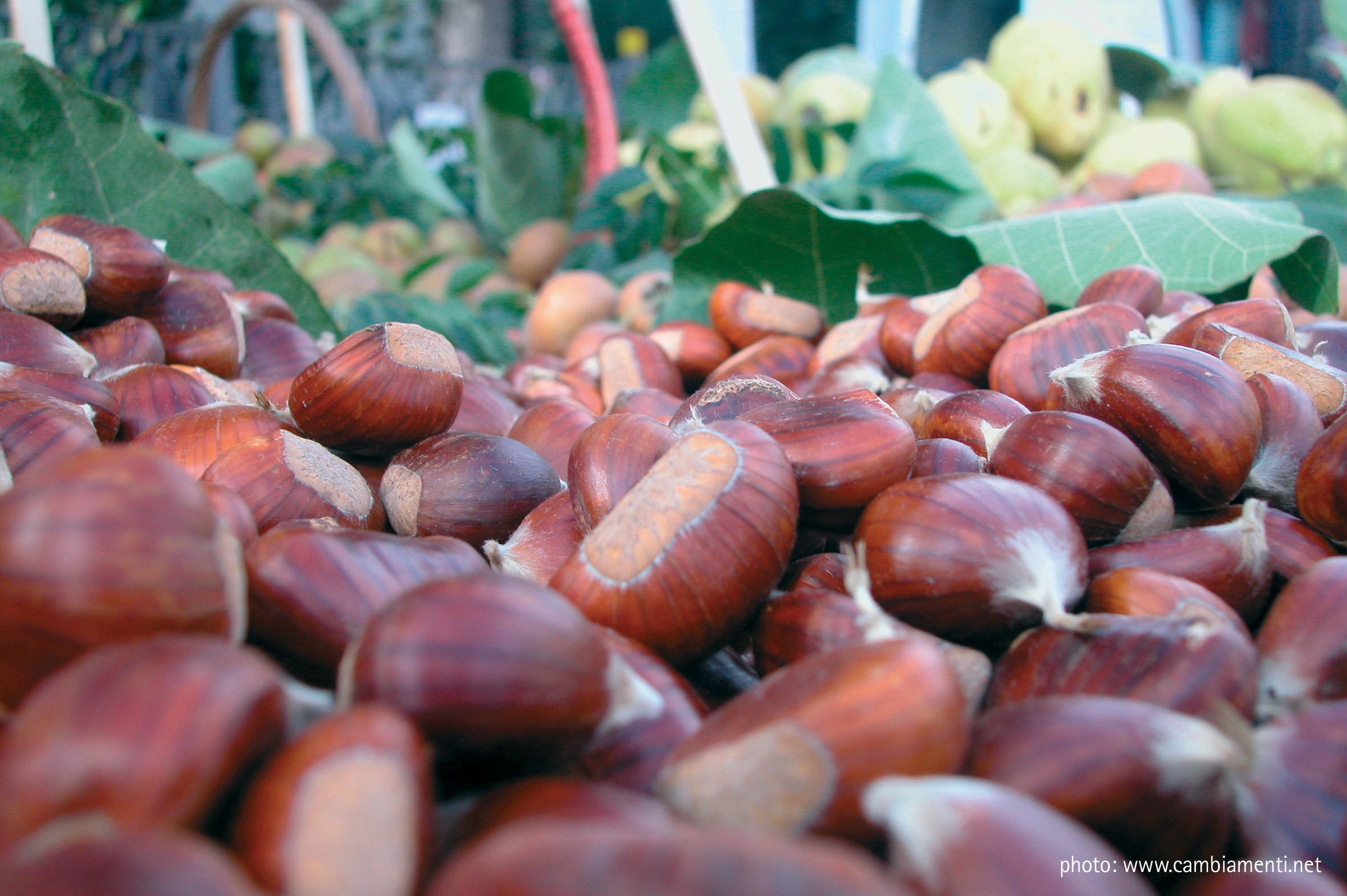
In honor of these fruits, a festival has been created in Casola Valsenio, now an unmissable event: the Forgotten Fruits Festival (third weekend of October). A new kind of market where stalls shine with unusual colors and shapes.
A world now disappeared, which the Casola festival revives also through stall decorations and reconstructions of rural life. With the collaboration of local farmers committed to recovering forgotten plants, the festival becomes a showcase with an old-time flavor, where all the typical local products of the season can also be found: apples, mushrooms, wine, chestnuts, truffles, honey, preserves, and delicious artisan jams. For the latter, a contest has even been created—open to all—for the best jam made with forgotten fruits.
Traditional Techniques
Forgotten fruits have found their way into the kitchens of many restaurants in Casola. Among the recipes based on these fruits we find bramble and mulberry sauces, cornelian cherry and quince compotes, savor made with jujubes, wild apple cake, and desserts featuring “broccoline” and volpine pears, chestnuts, alkermes, wine, and cheese. A group of forgotten fruits is used to prepare an ancient traditional dish, Migliaccio, which requires quinces, volpine pears, yellow apples, chocolate, grated stale bread, candied fruit, rice, and pig’s blood.
In Casola Valsenio, forgotten fruits also benefit from the culinary support of the local Giardino Officinale, inspiring extraordinary dishes such as salads of celery, white and red currants in sweet-and-sour dressing, or wild fennel with dandelion, chervil, and pomegranate sauce, finished with Brisighello extra virgin olive oil. Menus also feature risottos with volpine pears, roast pork loin with chestnuts and raspberries, veal rolls with pomegranate, autumn desserts with forgotten fruits, crostata filled with sorb jam, plums or sloe berries stuffed with walnuts and zabaglione, and cornelian cherry sorbet.


Historical Origins
Medlar, sorb, pera volpina, rose apple, quince, strawberry tree, cornel, pomegranate… names that recall flavors and memories now dormant, once well known to our grandmothers, who could create tasty dishes and excellent jams from these wild fruits or those grown in marginal areas. Fruits that were once picked directly from the tree, in the garden behind the house, or even better, in the surrounding woods. Childhood flavors, partly forgotten because they were pushed aside on market stalls by more profitable crops—yet saved from extinction thanks to a renewed interest in traditions tied to a specific territory.