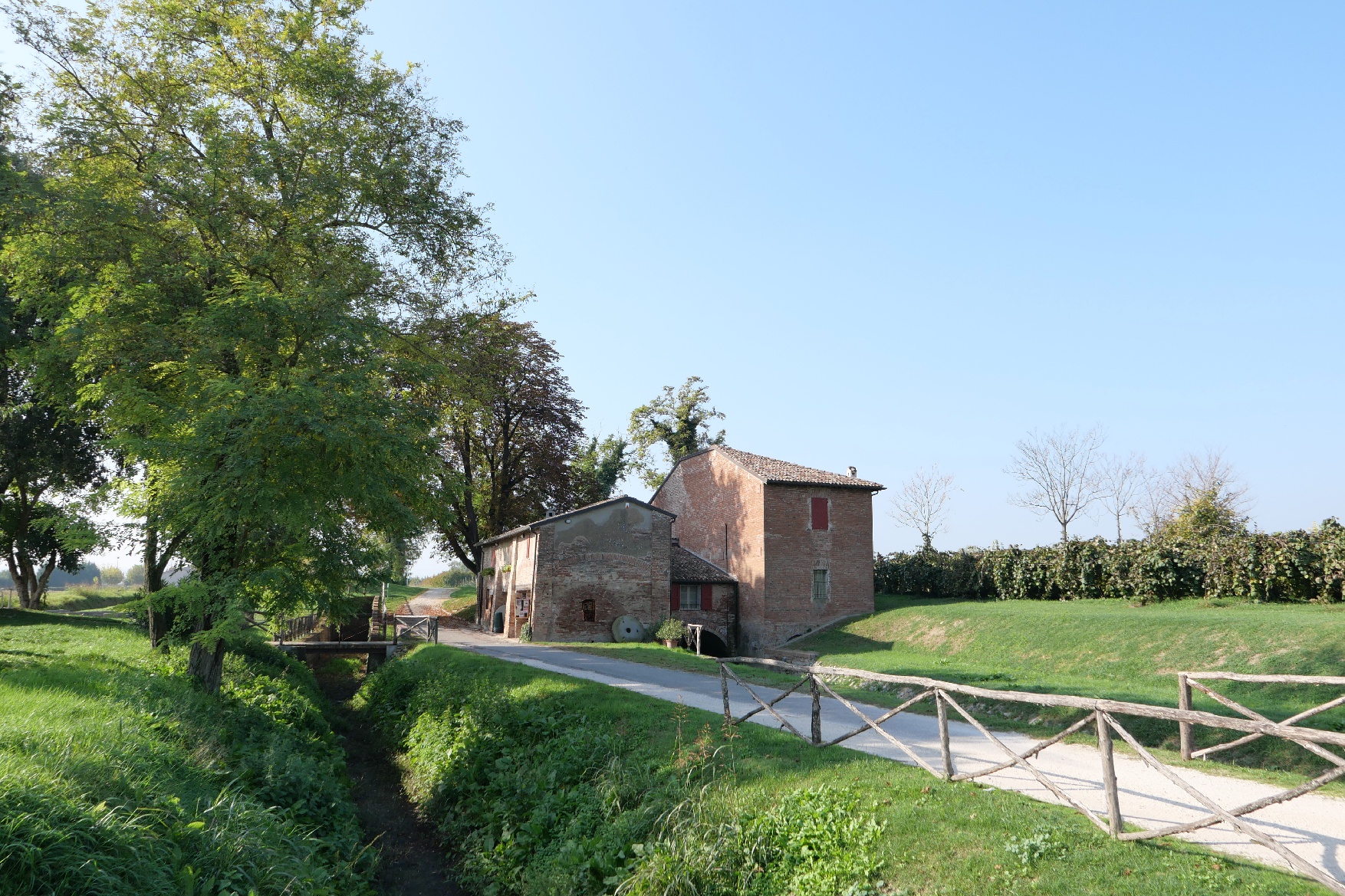
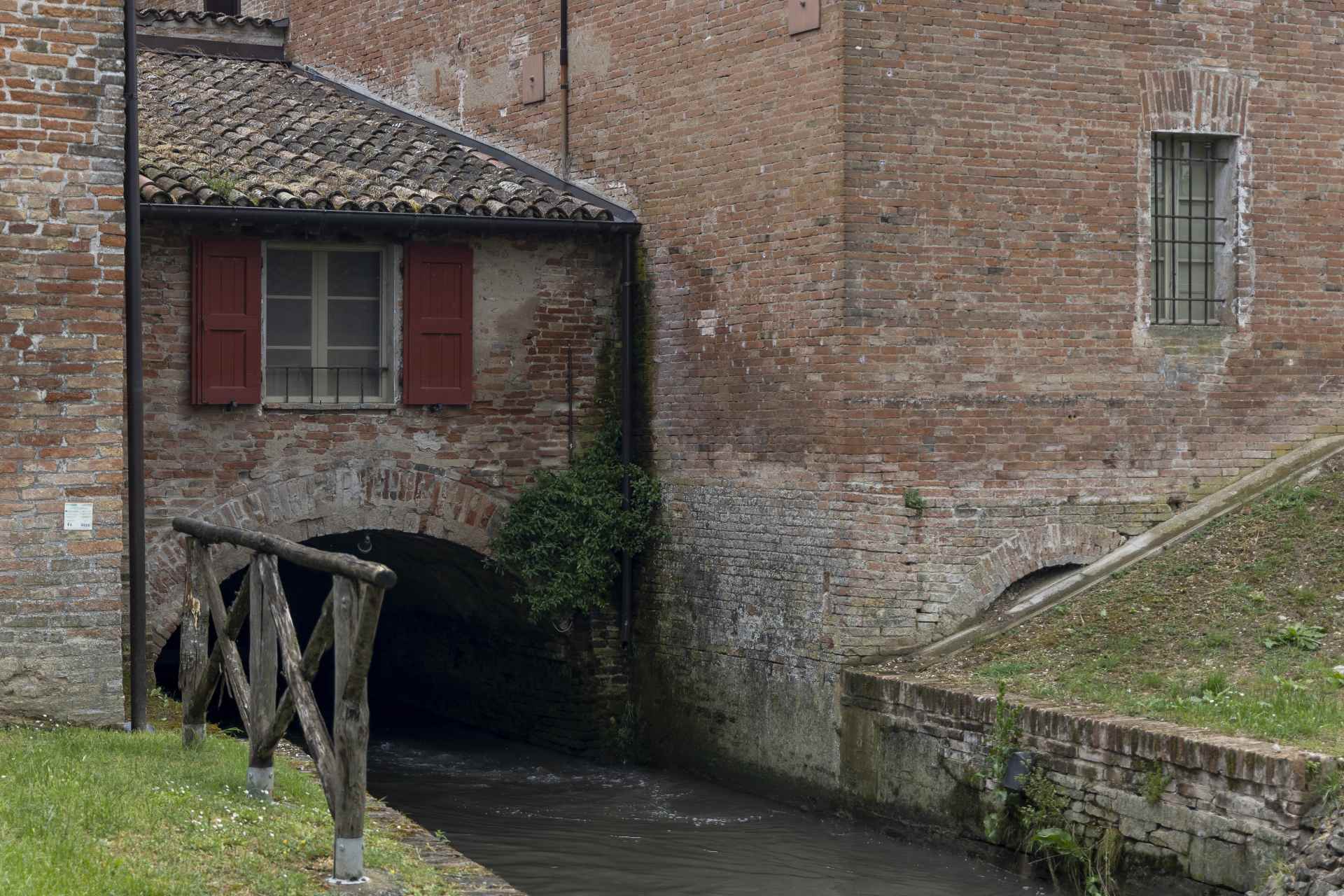
Surrounded by cultivated fields and country roads, the Scodellino Mill is the last witness of the many mills built along the Canale dei Mulini during the Middle Ages and preserves numerous traces of its centuries-old history.
Built between the late 14th and early 15th centuries, the mill is connected to the foundation of the free borough of Castel Bolognese, established by the city of Bologna, and to the water supply structures necessary for its operation.
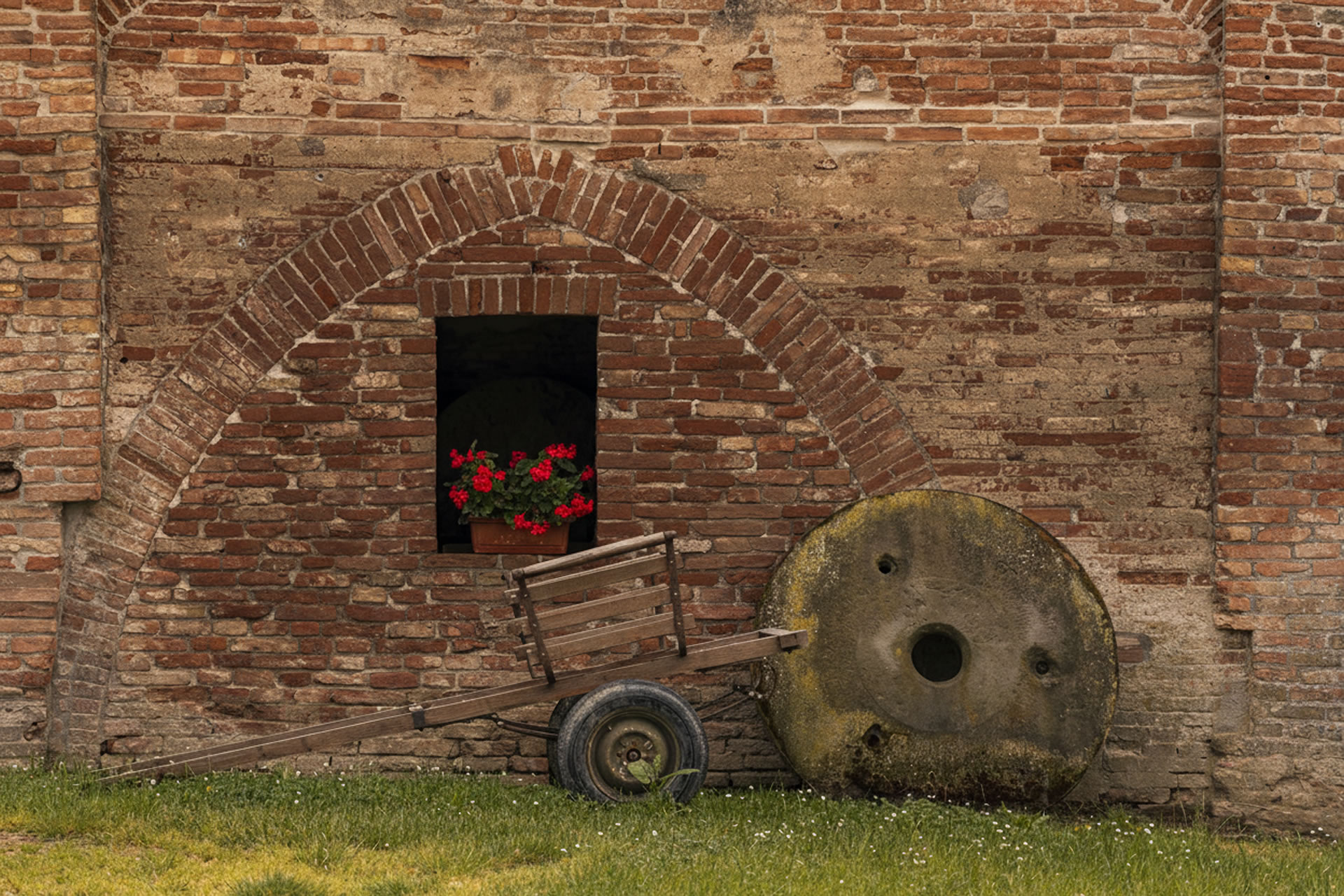
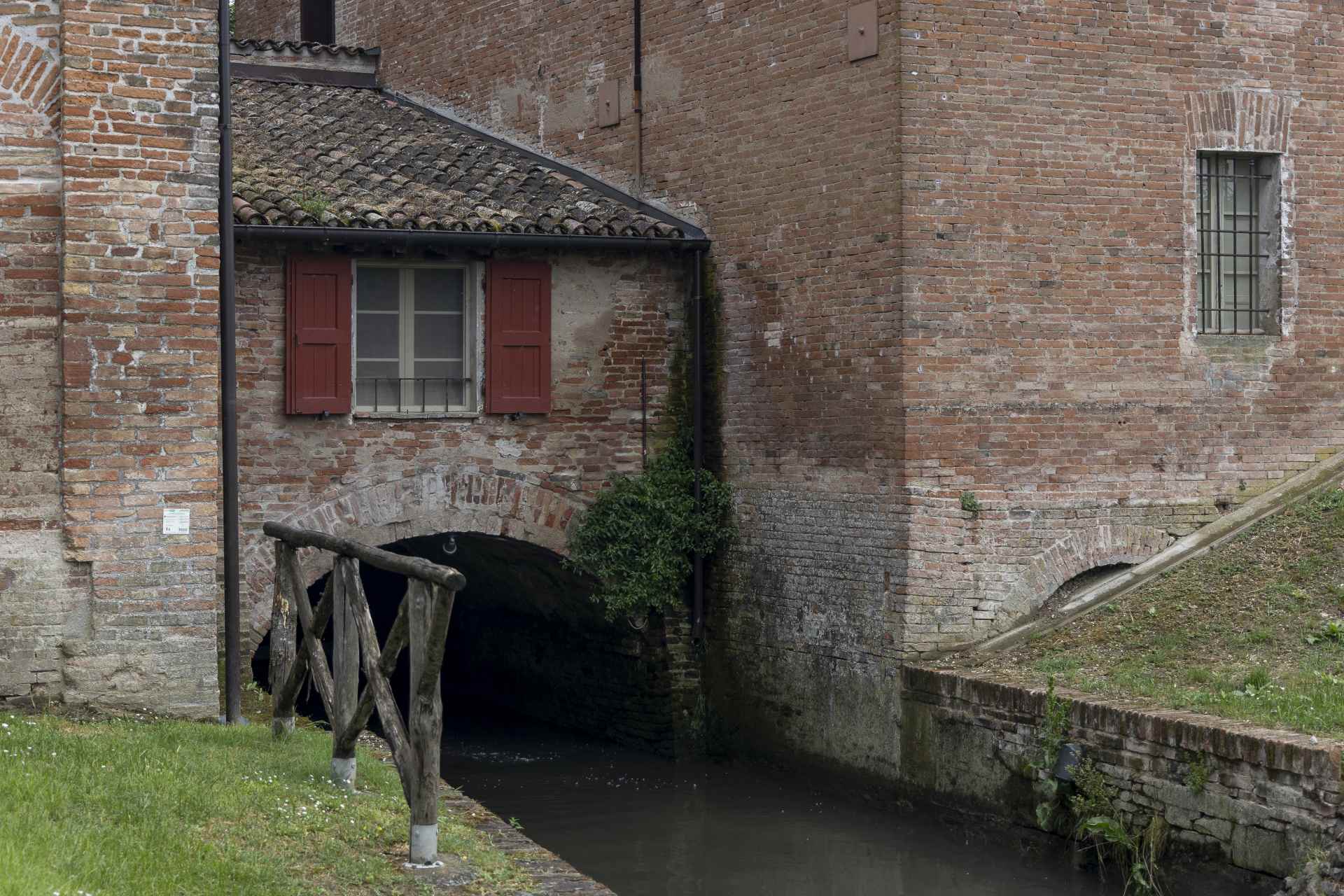
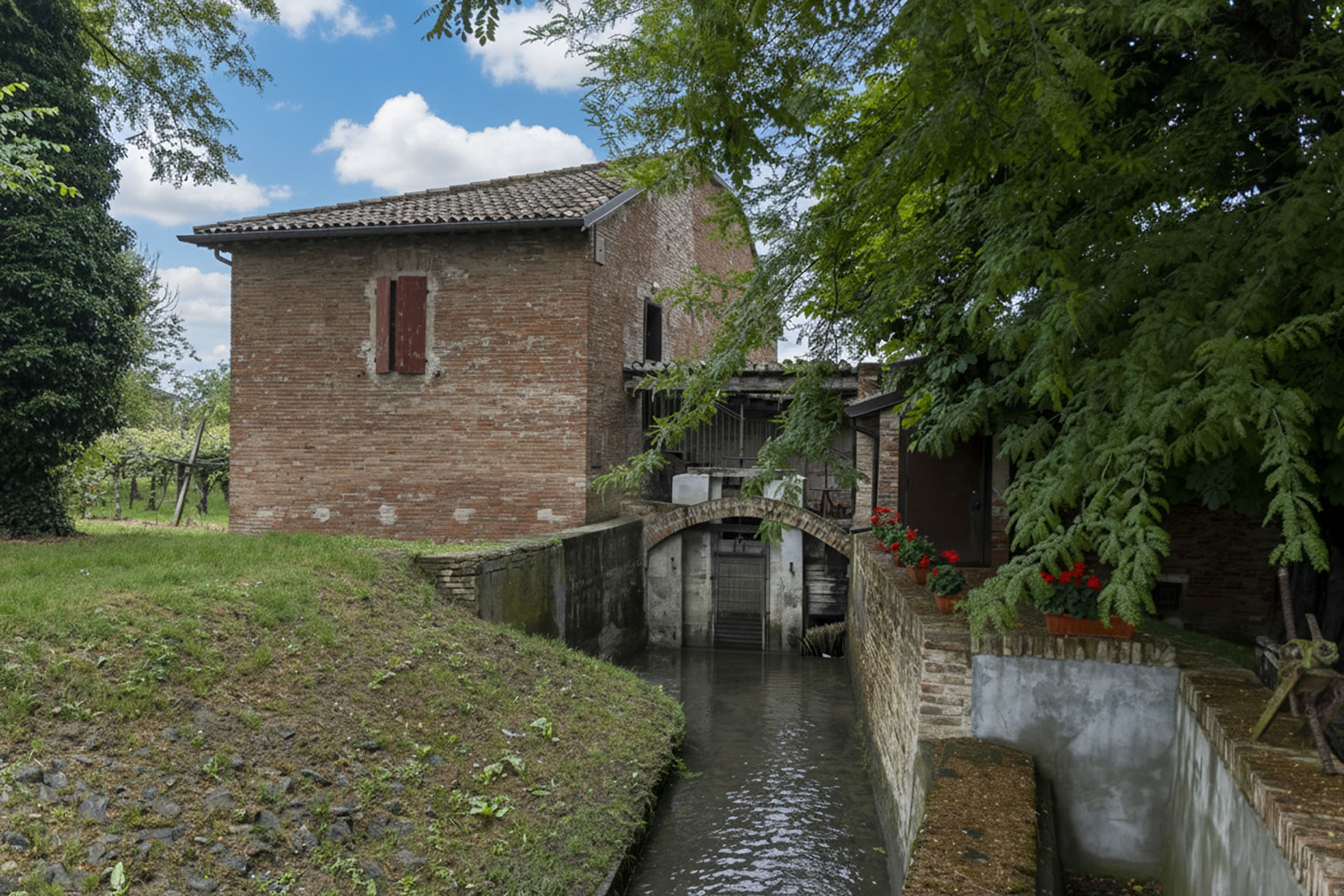
The building was part of a complex system that included the weir on the River Senio, later known as the Diga Steccaia, a canal used both for milling activities and for supplying water to the moat of the medieval castle, and a series of watermills. The mill consists of two buildings: the older one houses the stone millstones and features a portico typical of rural architecture facing the road, while the rear block contains the bolting machine used to separate bran and other more modern equipment connected to the two ancient millstones.
In 1935 the original system was replaced with a turbine installation to facilitate the work; this system has recently been restored to operation and still produces stone-ground flour today, just as in the past, under the mill’s own brand. Inside, a digital visitor route explains the secrets of the millstones and daily life at the mill.
At the mill, visitors can rediscover the traditions and ways of life of the rural world, marked by the slow rhythm of the seasons. Events, guided tours, workshops and activities for children enrich the authentic experience of the Scodellino Mill.