The collection has found its permanent home in a wing of the piano nobile of Palazzo Laderchi, a building connected to the history of one of Faenza’s oldest families.
The palace was designed by the Bolognese architect Francesco Tadolini in a style inspired by the sixteenth century and is one of the most significant elements of Faenza’s historic center.
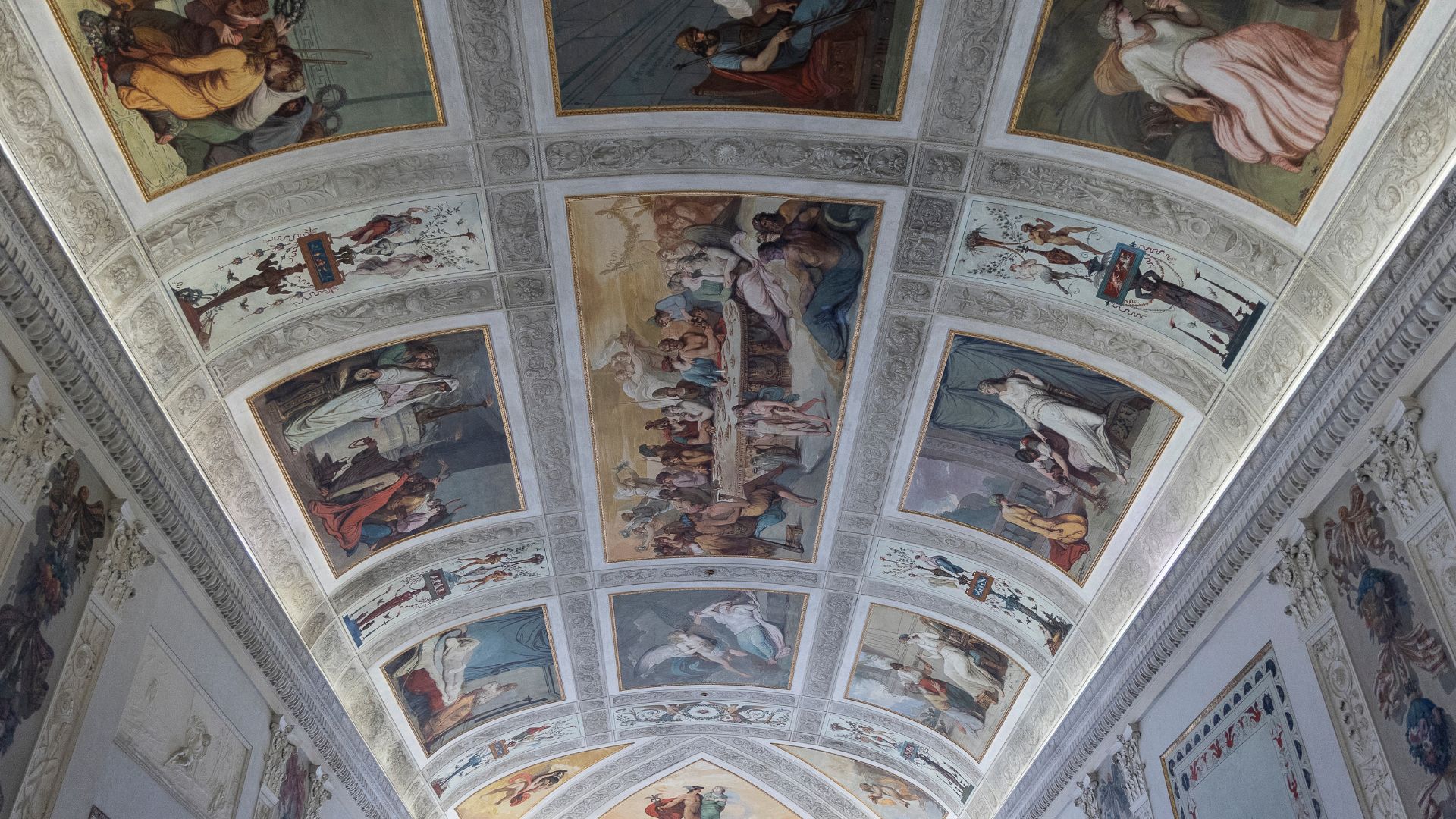
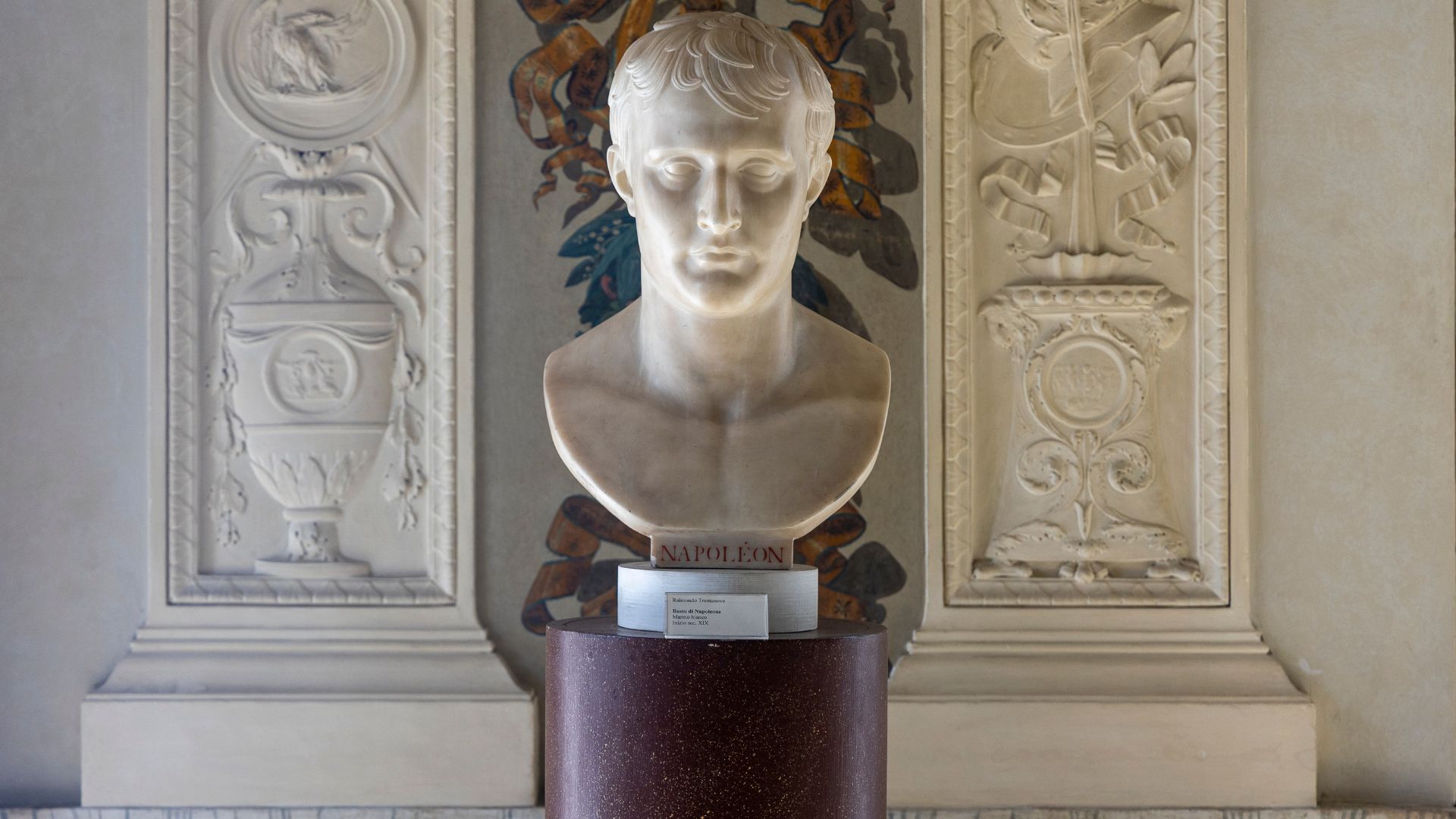
Inside, visitors can admire the grand vault of the Hall of Festivities, frescoed in 1794 by Felice Giani with Stories of Love and Psyche, and decorated with stuccoes by Antonio Trentanove. The hall displays edicts, documents, and portraits from the 18th and 19th centuries, including a white marble bust of Napoleon attributed to the sculptor Raimondo Trentanove.


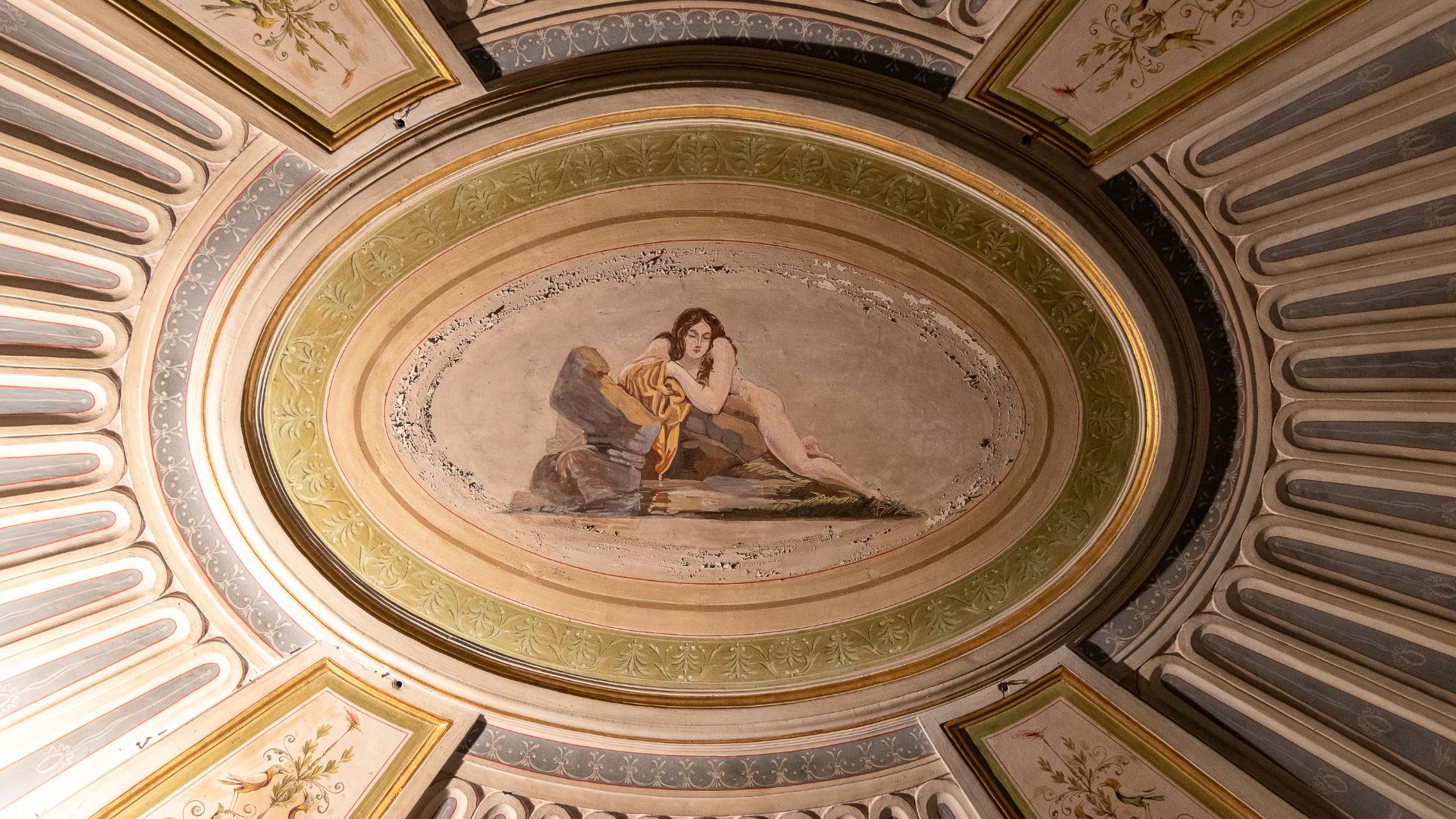
Not to be missed: the Astronomy Cabinet, an oval study designed by Giovanni Antonio Antolini and frescoed by Felice Giani with the Dance of the Hours, representations of the Planets, zodiac symbols, and the four astronomers Galileo, Kepler, Tycho, and Copernicus.
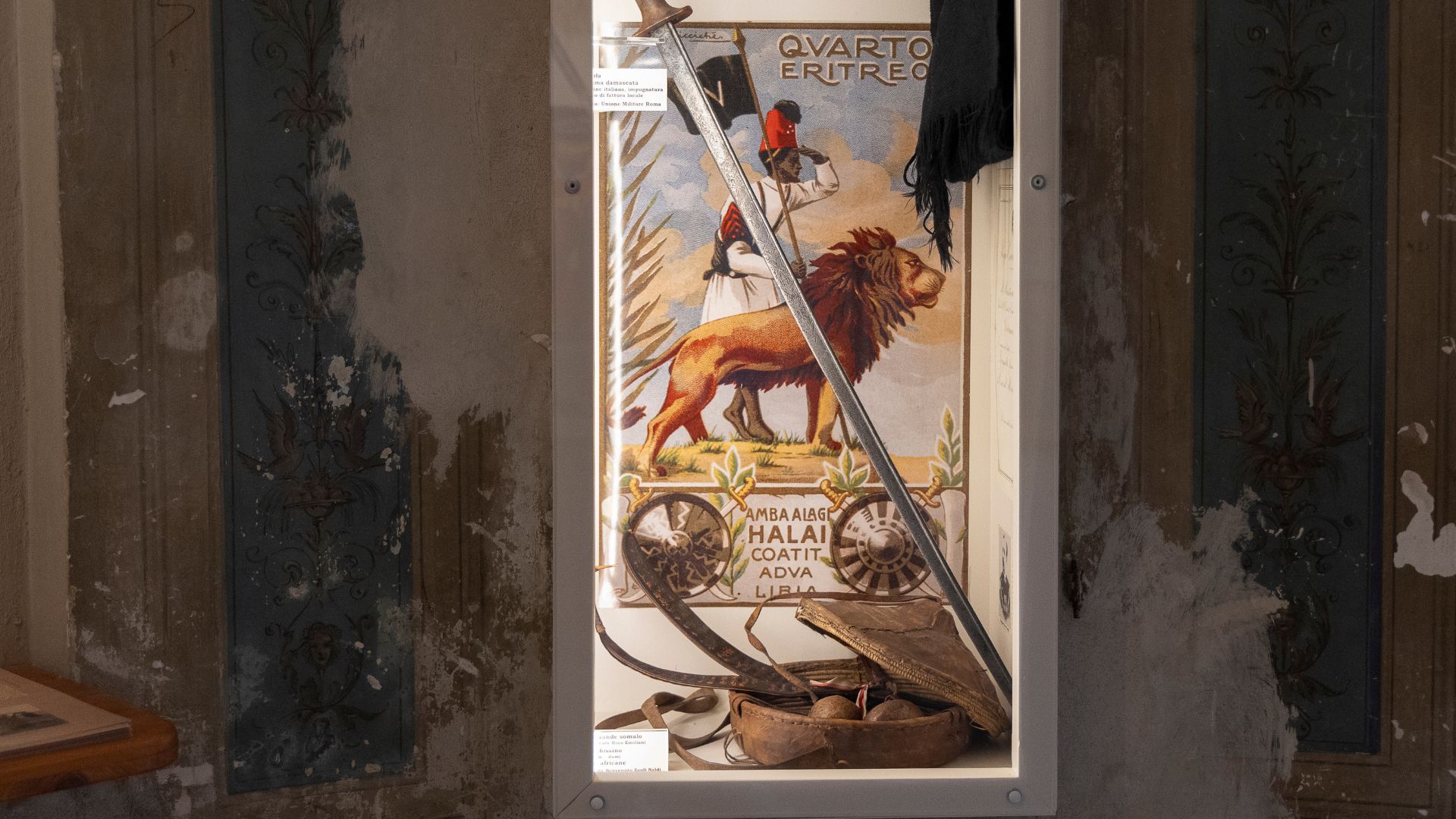
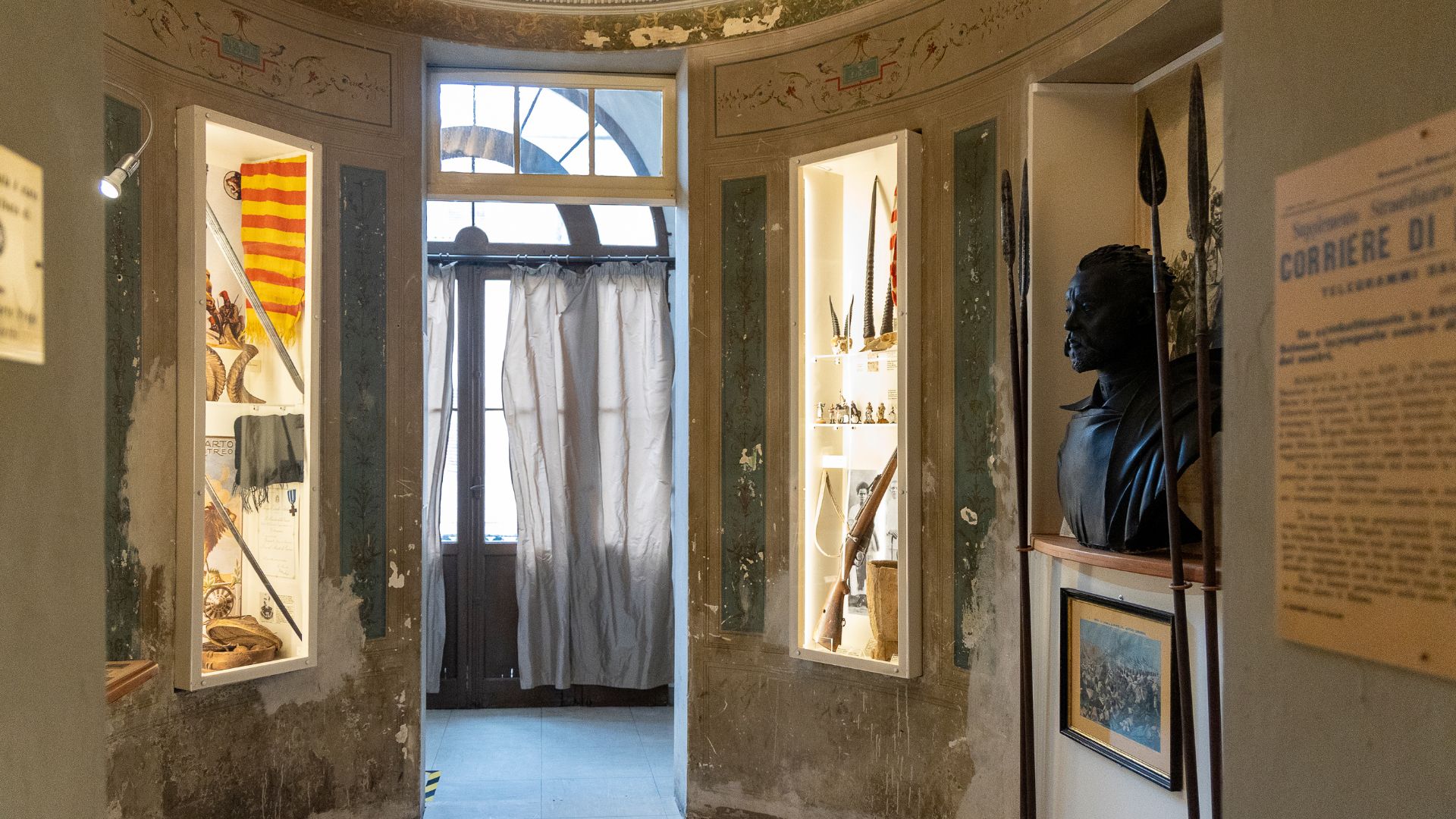
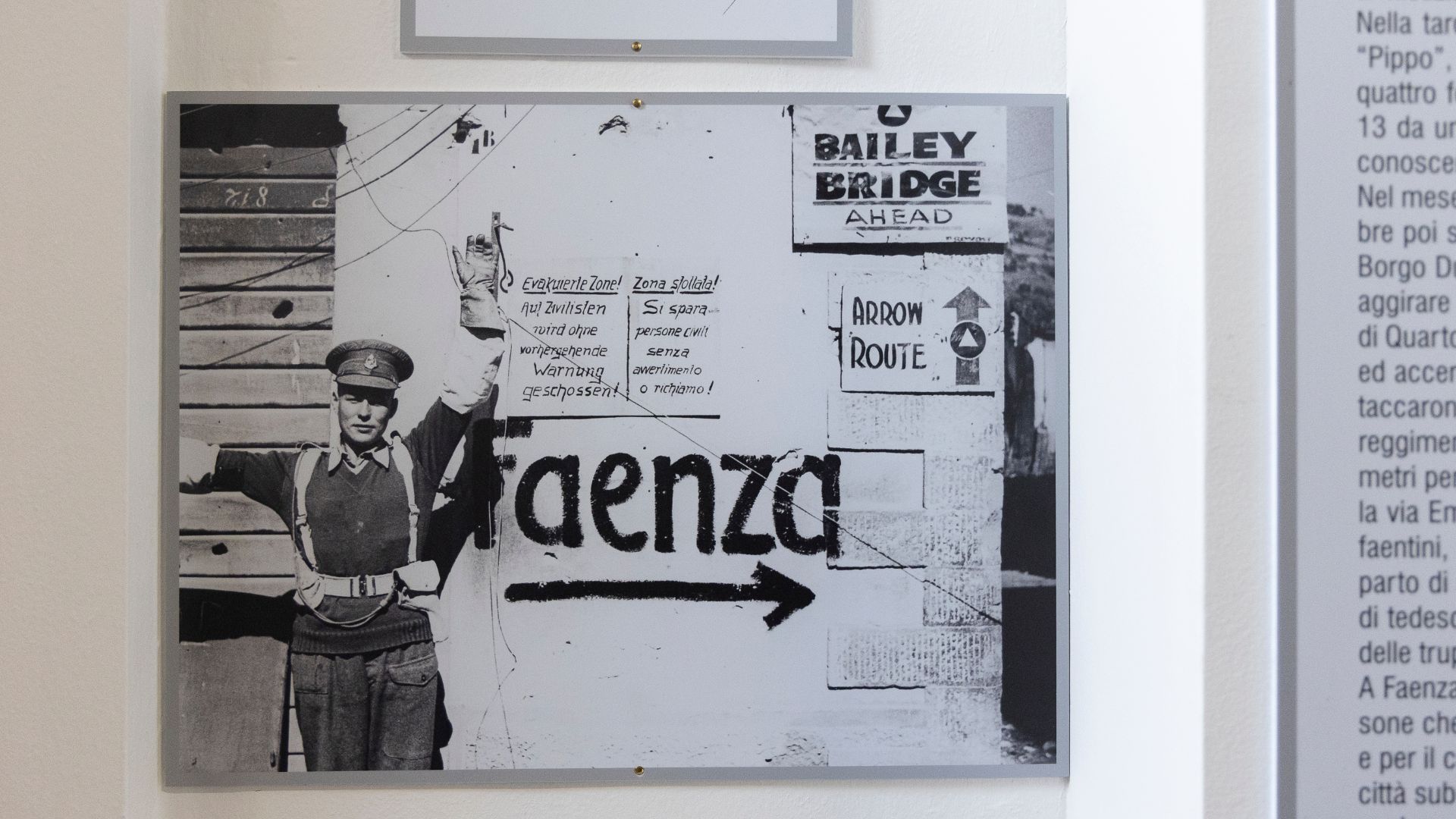
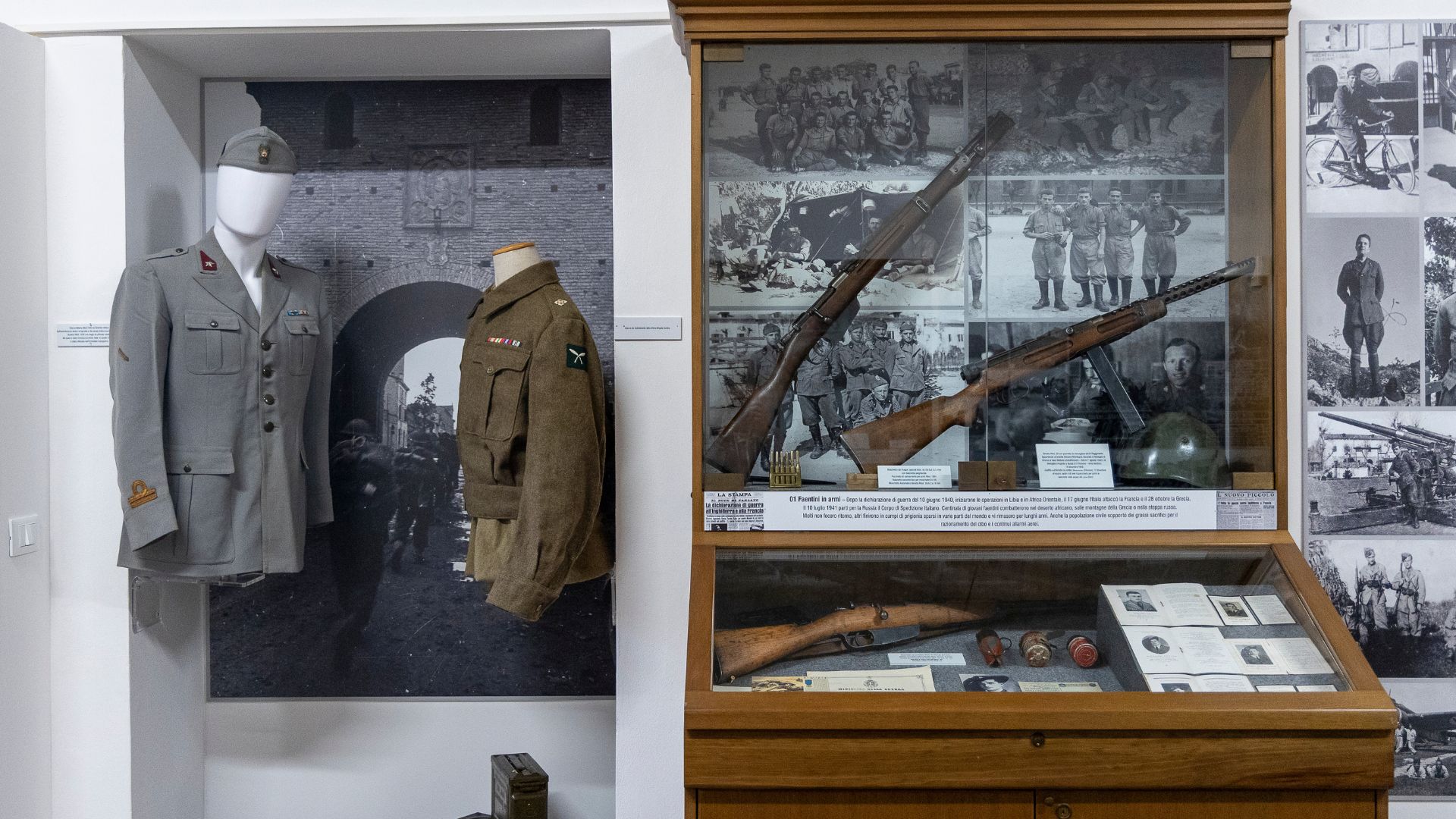
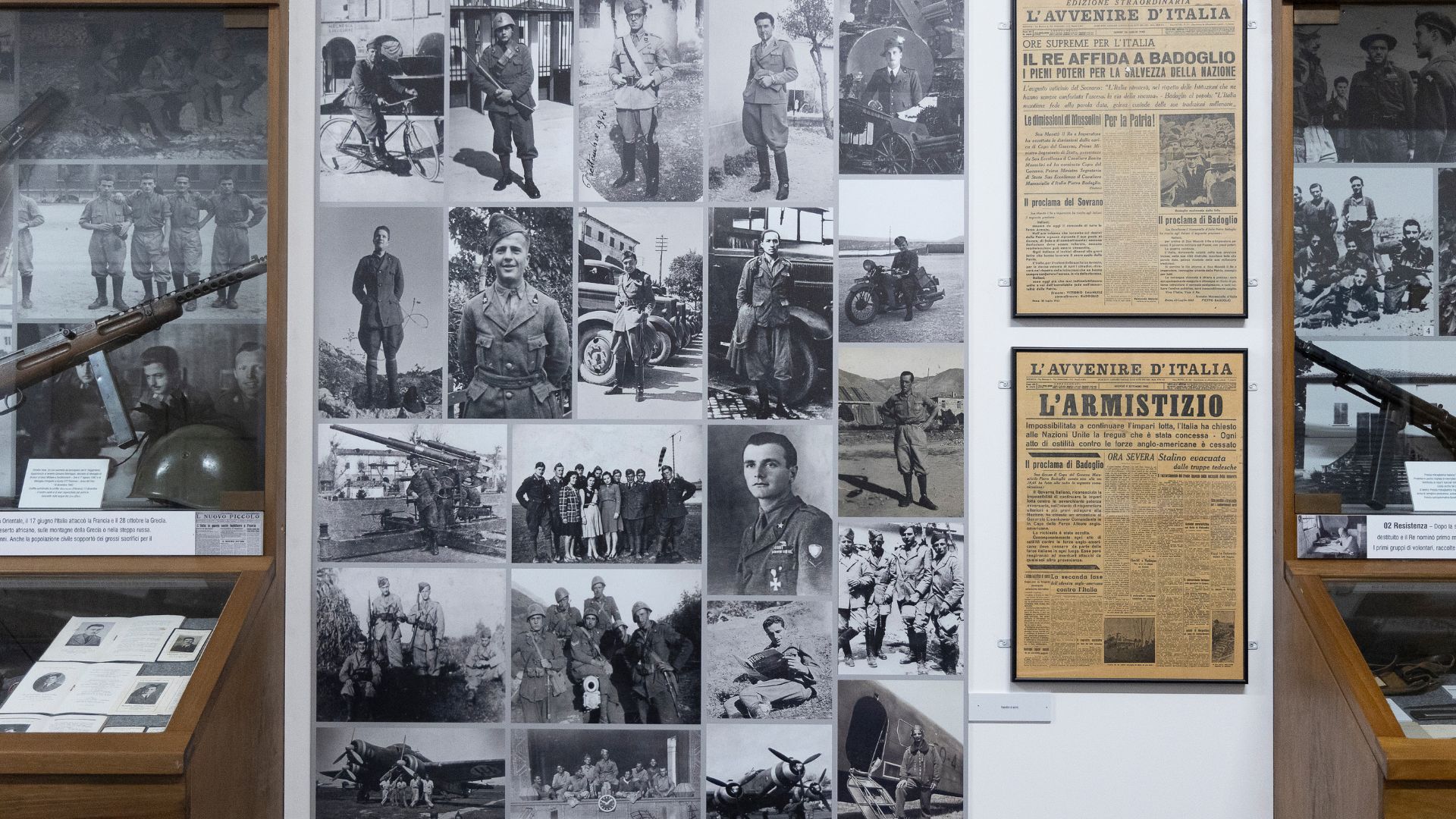
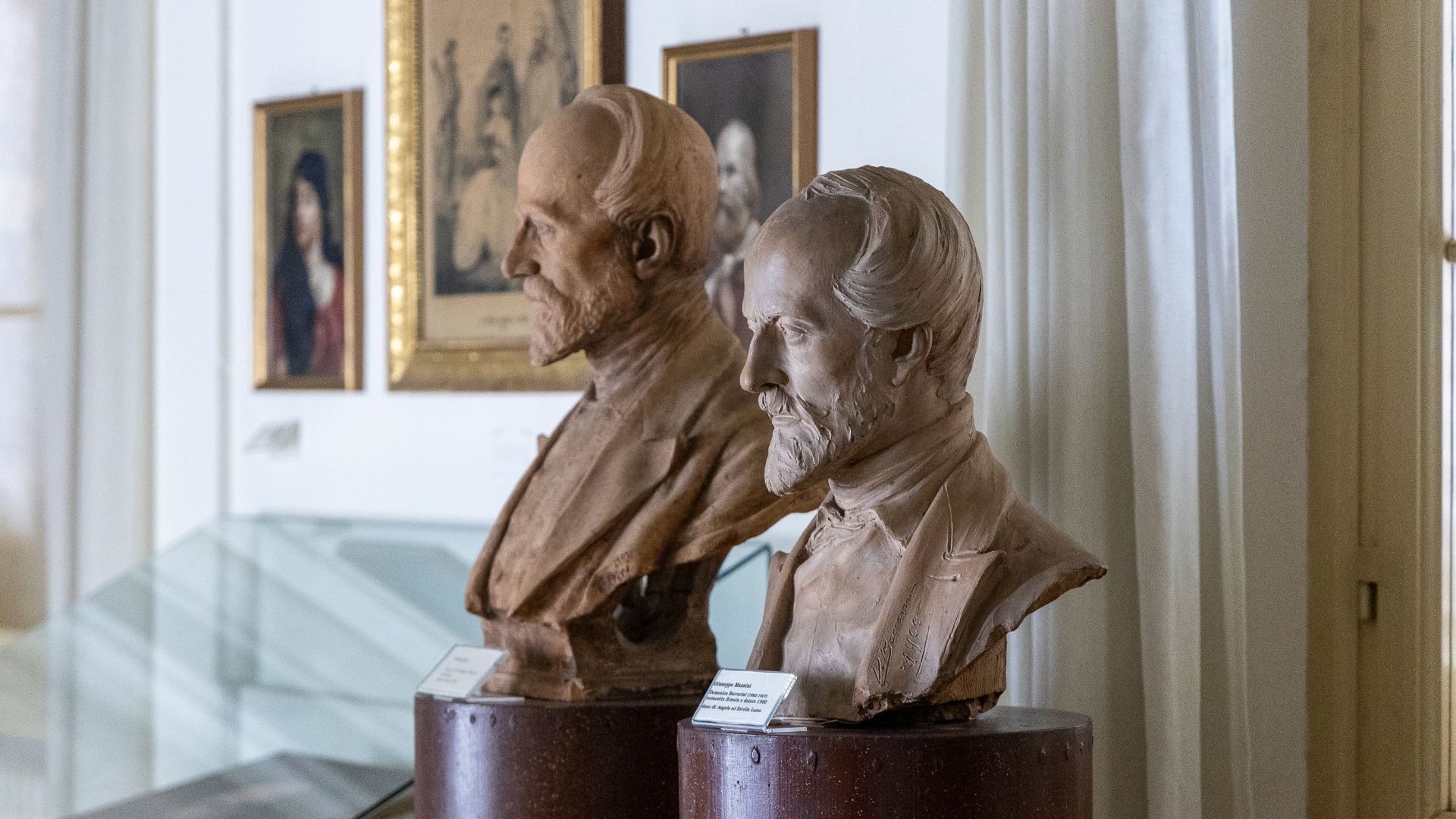
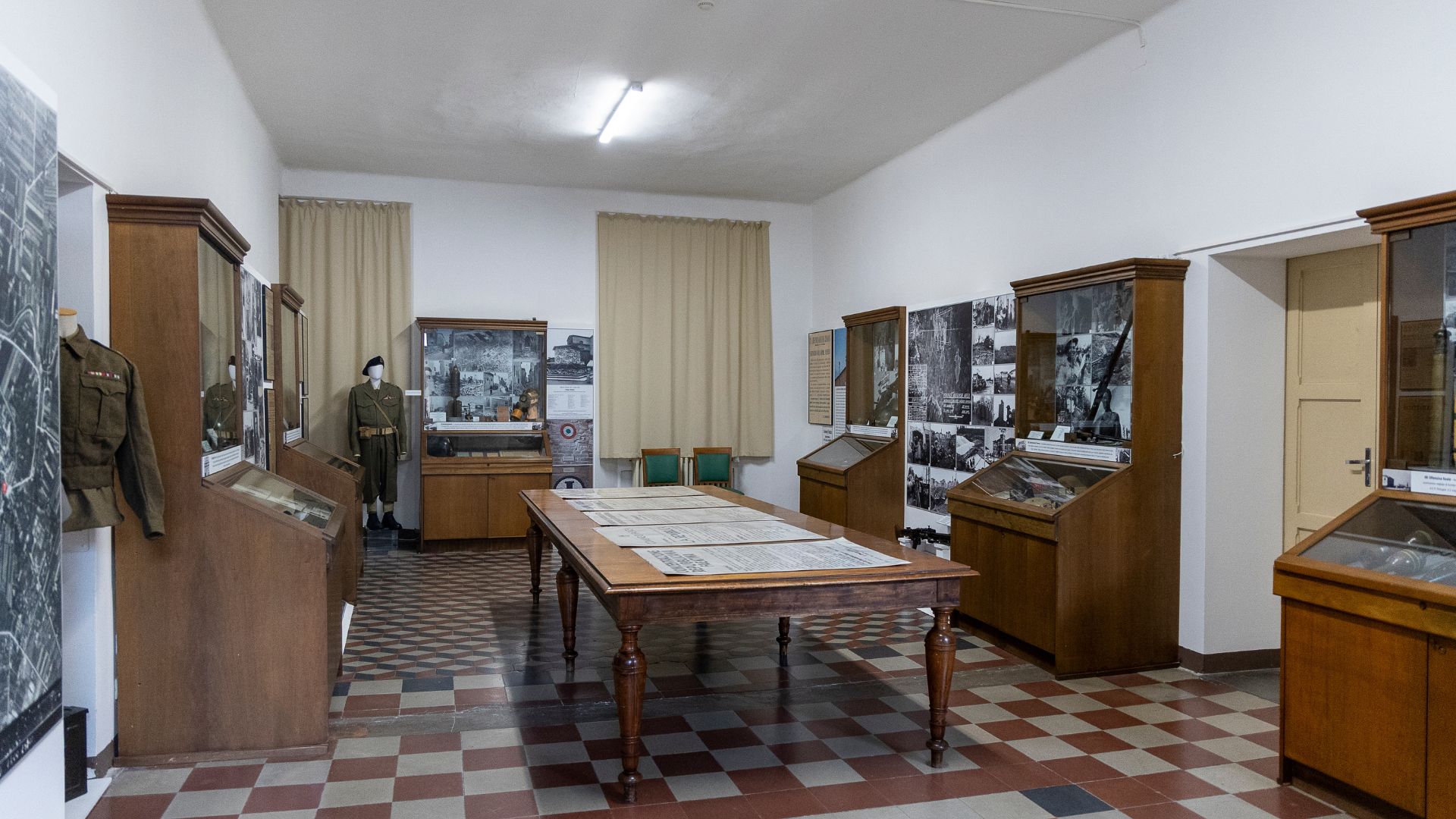
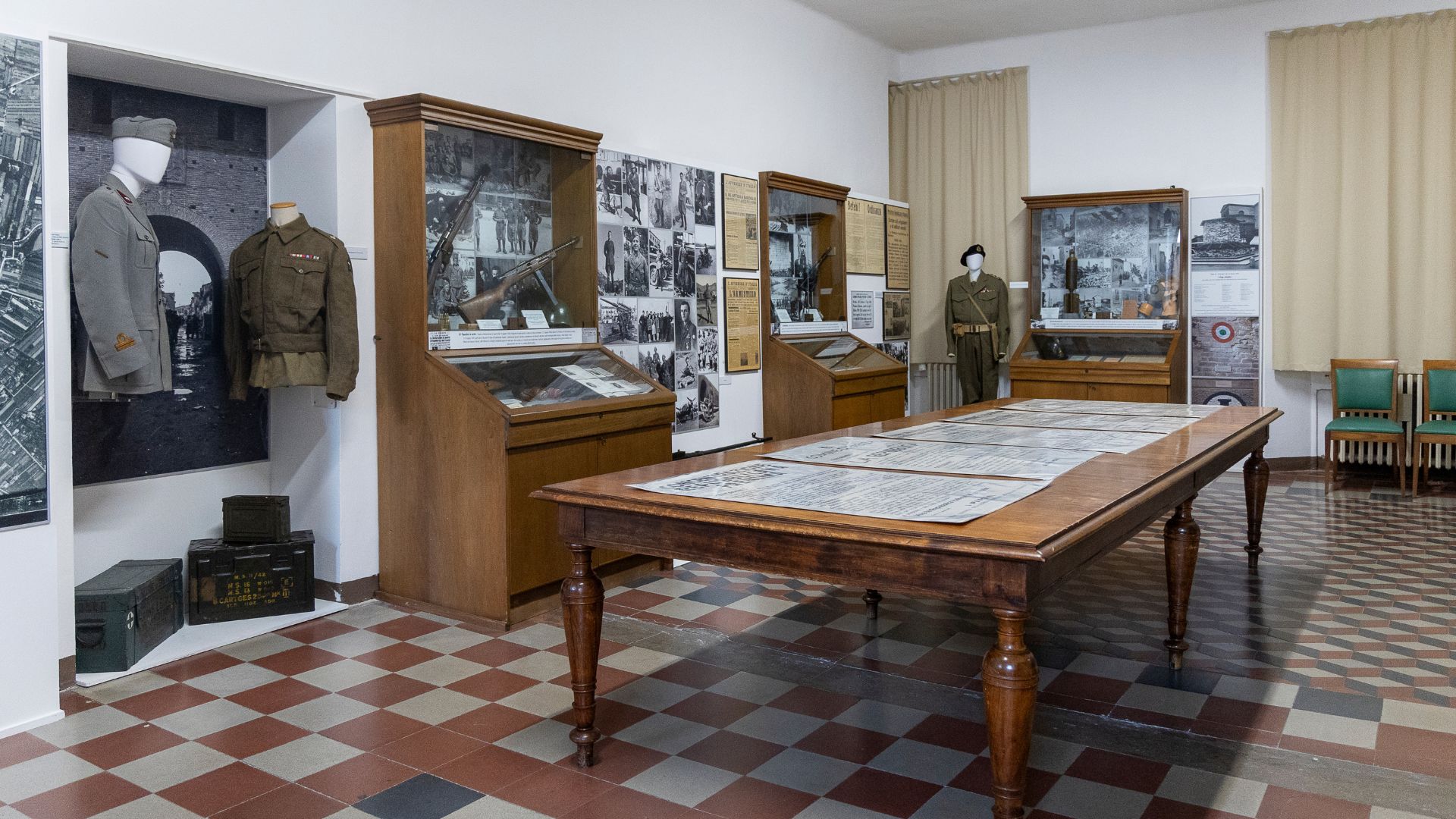
The core of the museum is made up of prints, photographs, paintings, proclamations, flags, uniforms, and various memorabilia. The exhibition begins with prints, photographs, and a flag from the Risorgimento period, restored in the last decade. In the following rooms, visitors can see portraits of key figures of Italian Unification. Of particular interest are the maiolica portraits of Aurelio Saffi and Cavour by Angelo Marabini and a terracotta bust of Giuseppe Mazzini by Domenico Baccarini, signed and dated 1900.
In the final room, known as the Saviotti Room after its decorator, paintings, weapons, and memorabilia narrate the history of Faenza in the first half of the 19th century. Notable works include portraits of Achille and Francesco Laderchi, and a rare miniature depicting General Giuseppe Sercognani.