If you think Romagna is only about art cities and rolling hills, you’re missing an important piece.
Just a few minutes from the center of Faenza, there is a side of Romagna you wouldn’t expect: rural, creative, authentic. To discover it, all you need is half a day and the desire to be surprised by the truest side of Romagna: the one made of villages, community stories, and traditions that stand the test of time.
Granarolo Faentino is a small great discovery, a place where past and present coexist along the Naviglio Canal, among murals, old workshops, and flavors that tell stories of identity.
1. Exploring the Zanelli Naviglio Canal Cycling and Nature Route
From Faenza to the sea, passing through Granarolo
One of the best ways to discover the area is by bike or on foot along the Zanelli Naviglio Canal cycle path, a historic waterway now transformed into a nature trail. The route connects Faenza to the sea through countryside landscapes, tree-lined paths, and small rural villages like Granarolo. A slow, quiet, and immersive experience: perfect for those who truly want to understand Romagna beyond its cities.

2. Enjoying the Murals and the Open-Air Museum
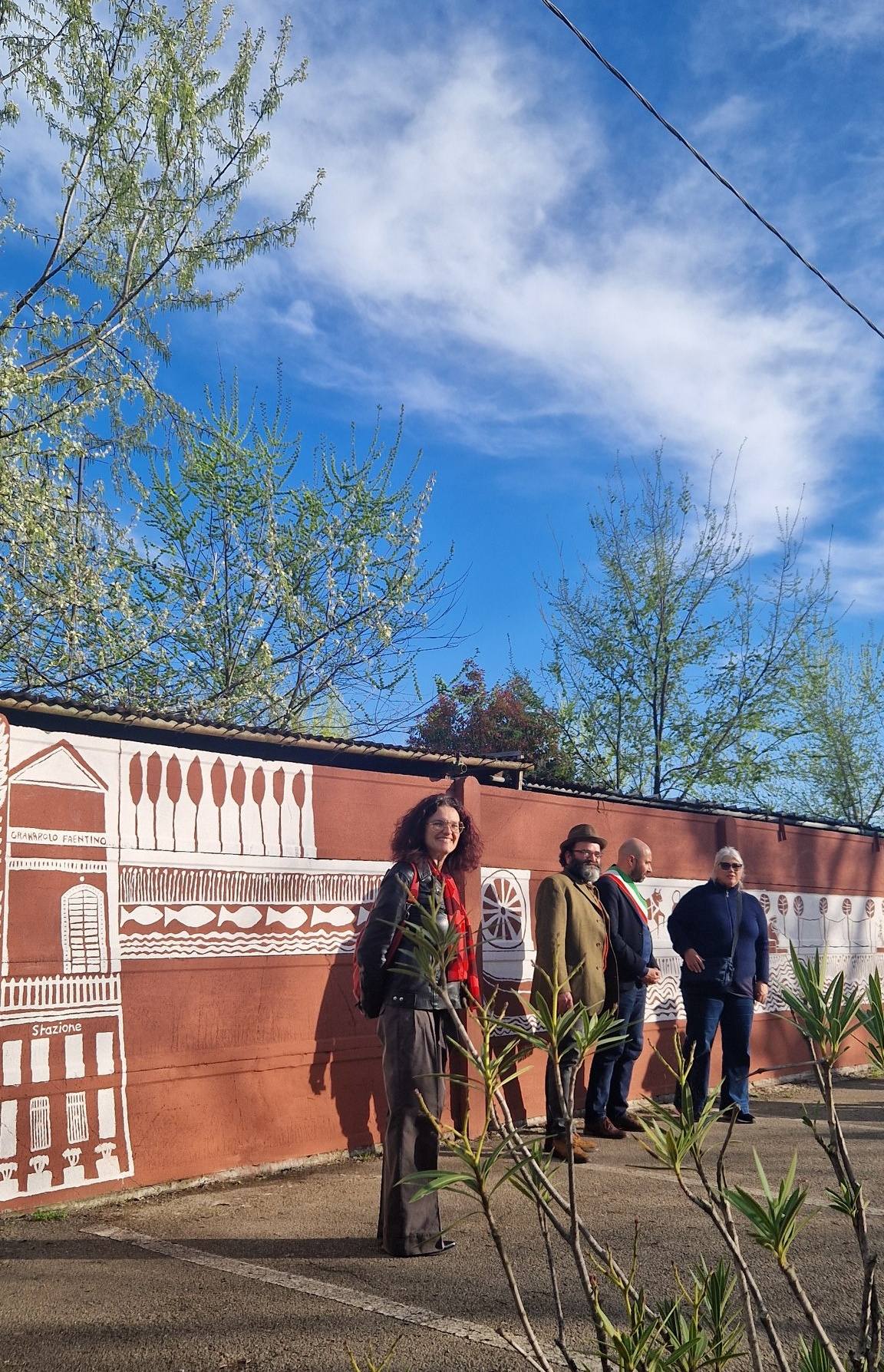
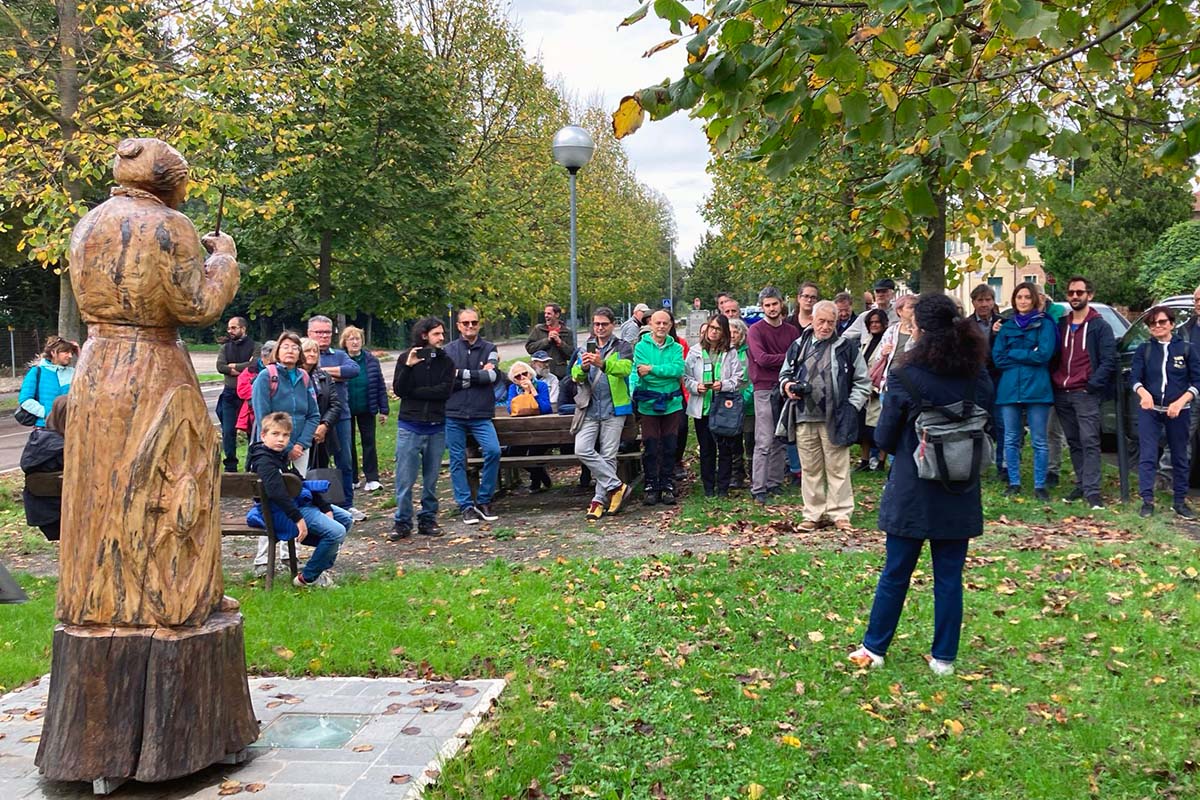
Granarolo Faentino is building, together with a group of volunteers, a true Open-Air Museum: a project that combines memory, art, and community.
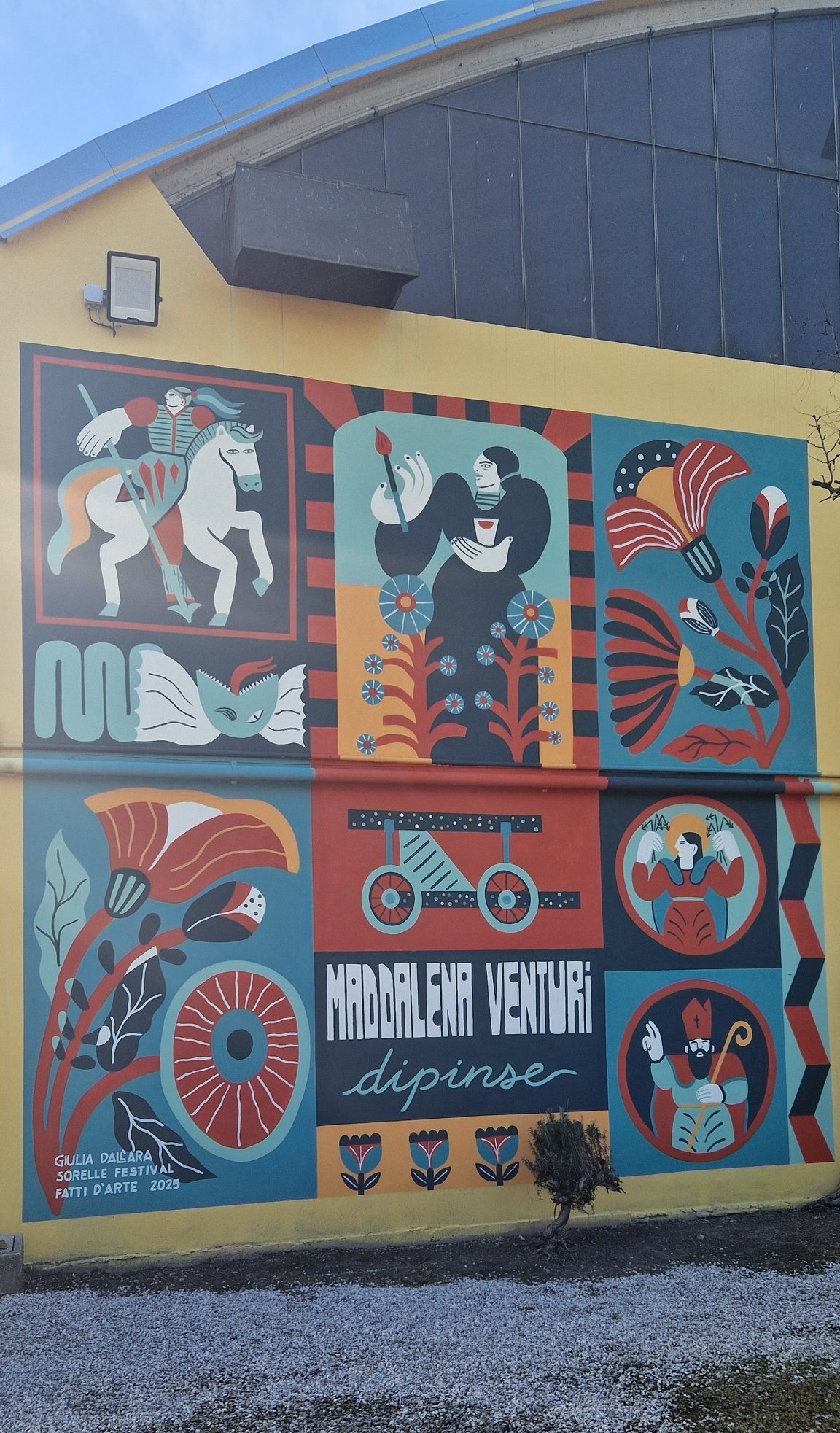
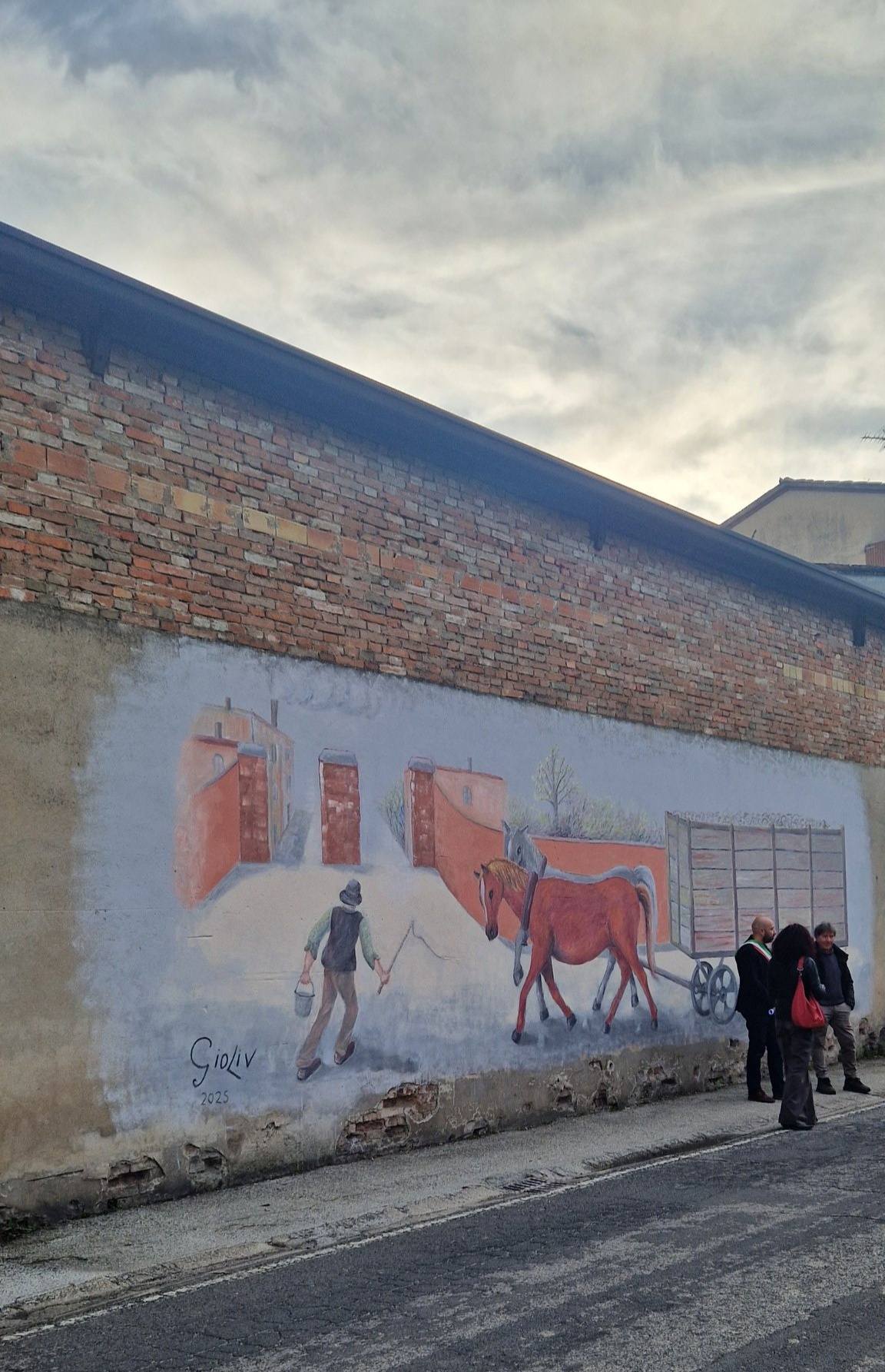
The murals tell local stories and portray figures from the village, such as the story of Giacomo Strocchi or the social memory of the post-war period. The artworks are part of a route involving artists, residents, and local associations, transforming the streets into a cultural itinerary.
A village telling its story… on its own walls.


3. Discovering the History of the Romagnolo Farm Cart
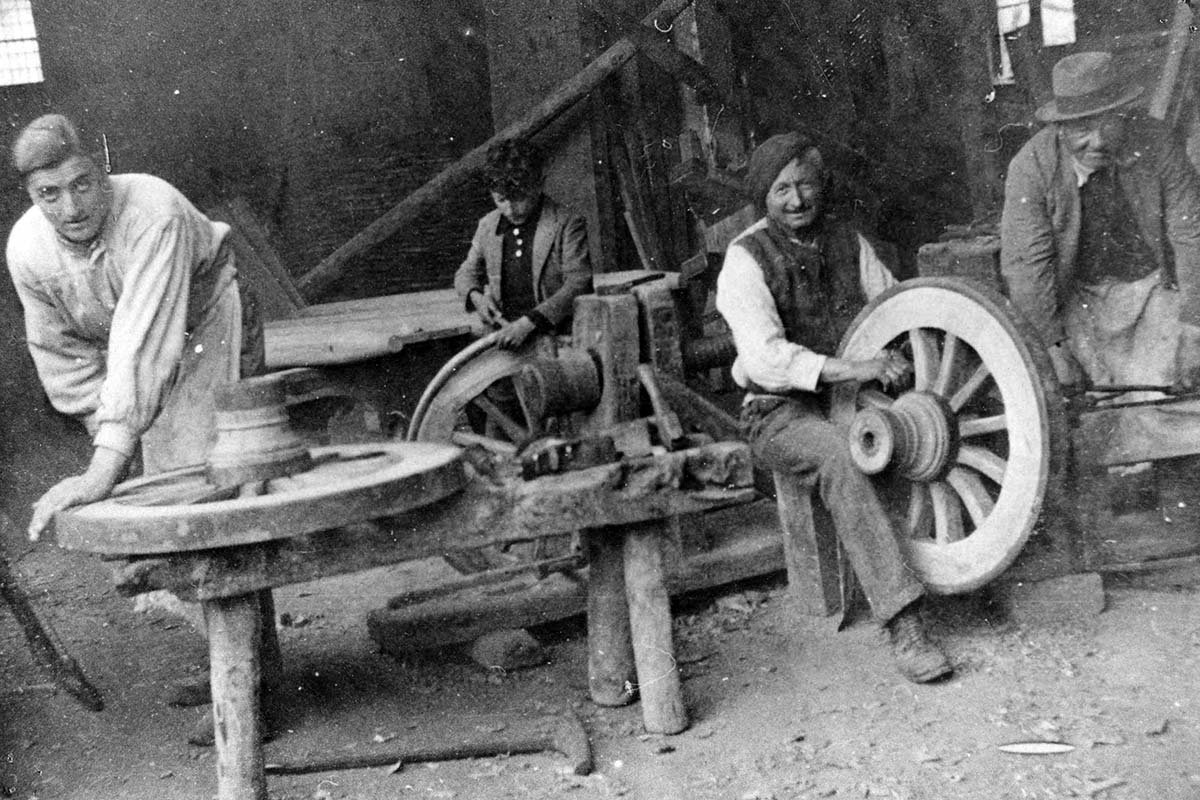
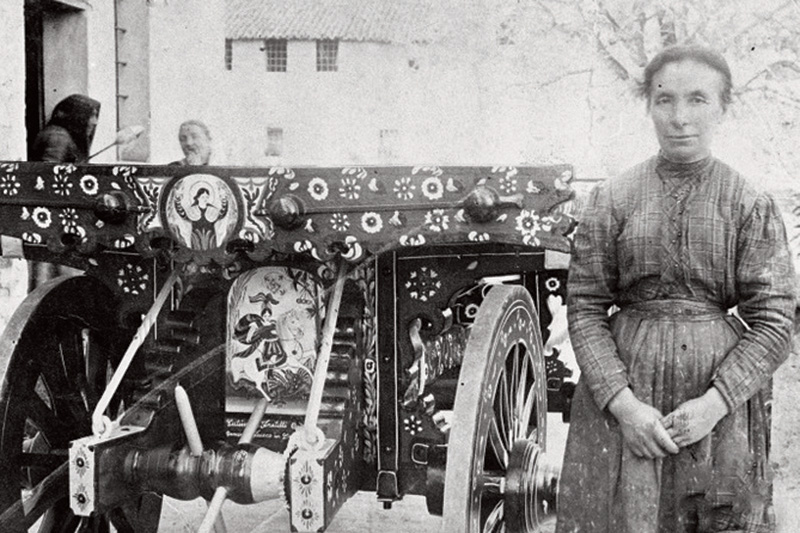
For centuries, Granarolo was a key center for the production of agricultural carts.
There were up to 11 wheelwright workshops, artisans specialized in building wooden carts that accompanied rural life.
Even today, in the heart of the village, it is possible to encounter traces of this tradition: a historic cart preserved in the town center and spaces that preserve the memory of the old workshops.


4. The Art of Maddalena Venturi
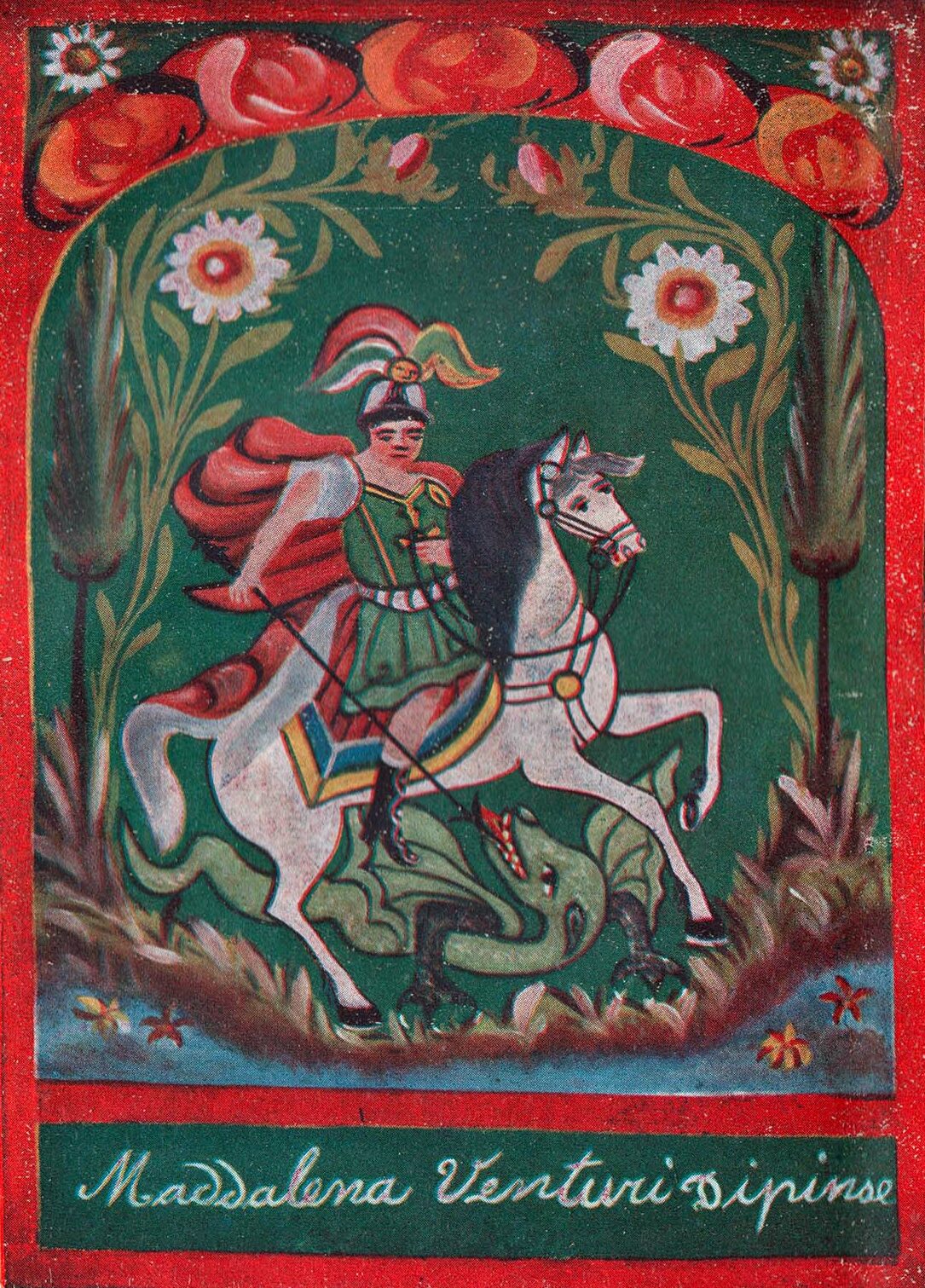
Among the most fascinating figures of local tradition is Maddalena Venturi, a painter of agricultural carts between the 19th and 20th centuries. With her brush, she decorated carts with symbols and sacred images such as Saint Anthony Abbot, Our Lady of Graces, and Saint George, transforming work tools into small works of art.
Today her memory lives on through installations, wooden statues, and murals that tell her story along the Open-Air Museum route.


5. Visiting the Church of San Giovanni Evangelista
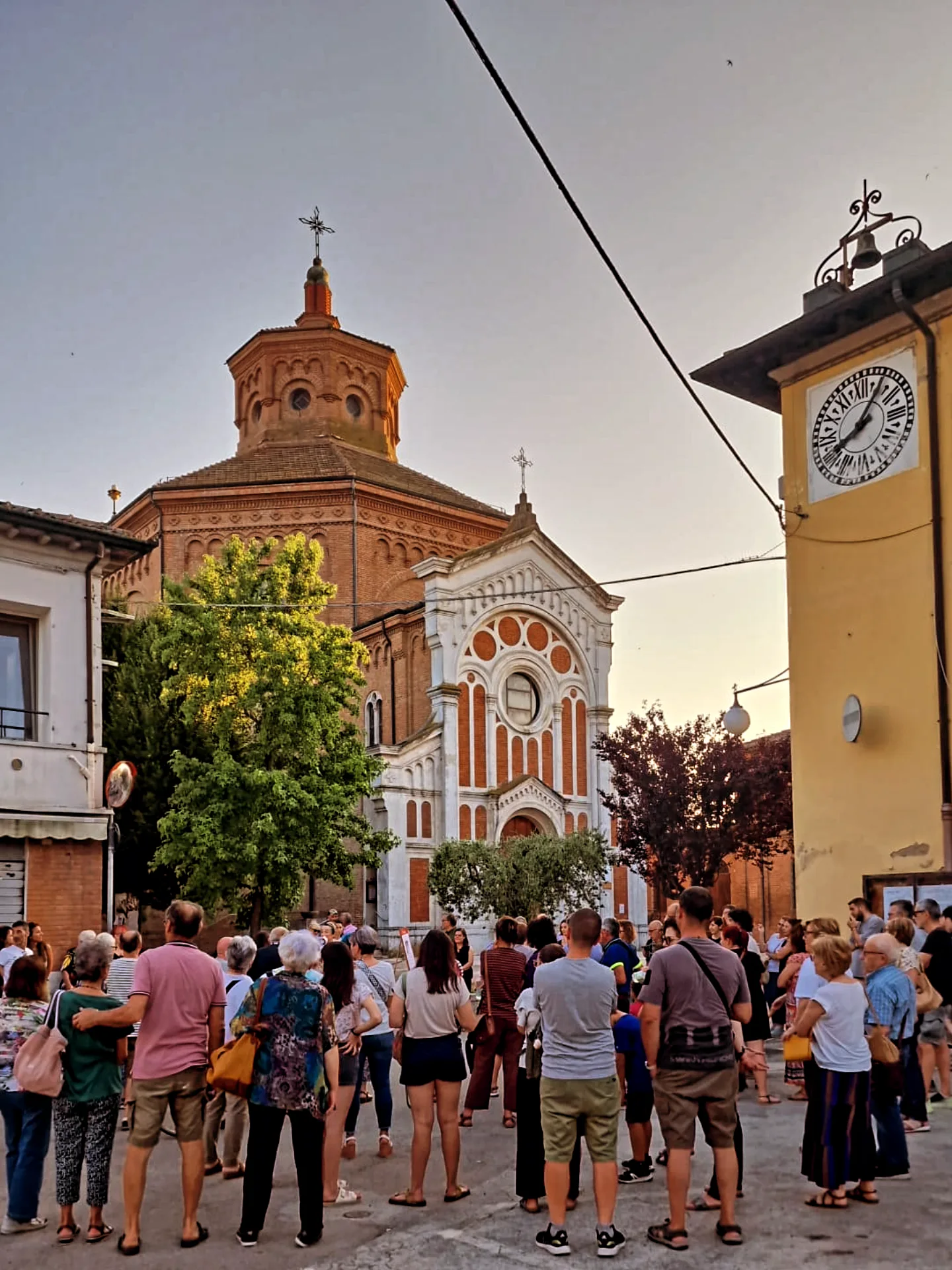
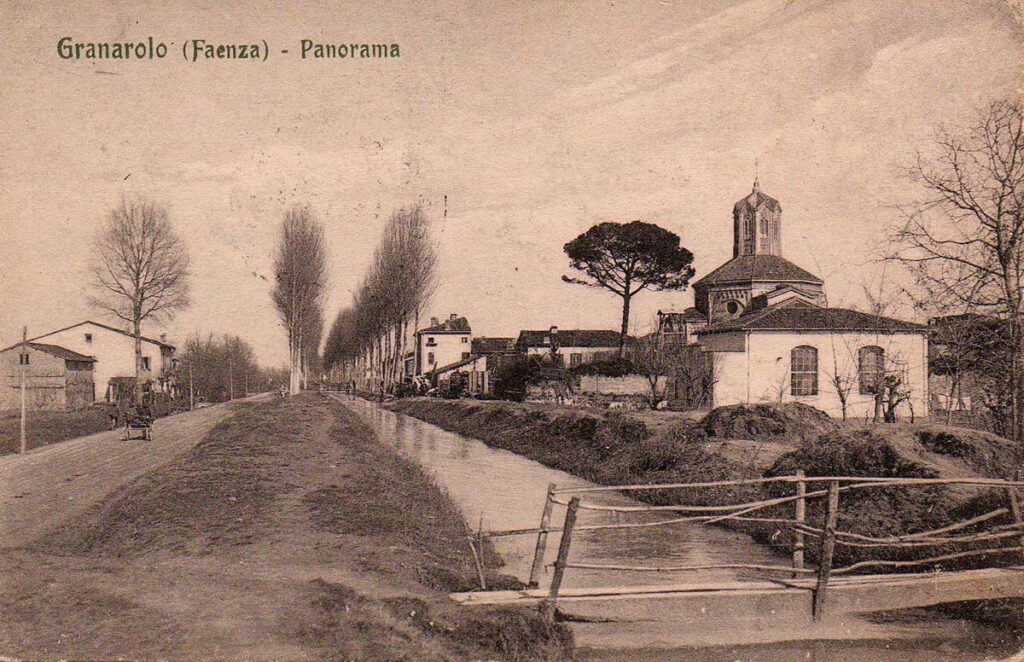
In the heart of the village stands the Church of San Giovanni Evangelista, one of the most recognizable buildings in Granarolo Faentino.
The current church was rebuilt between 1897 and 1899 based on a design by architect Vincenzo Pritelli, after the demolition of the ancient medieval church that stood within the walls of the Manfredi castle. Its distinctive feature is the central octagonal layout: a harmonious and scenic space where columns, arches, and the dome create an intimate and luminous atmosphere. The façade itself, with brick details, mullioned windows, and marble decorations, reflects the Neo-medieval taste typical of the period.
Inside are preserved paintings dating from the 16th to the 18th century, while the current bell tower dates back to 1911. The church suffered severe damage during the passage of the front line in the Second World War, but it was rebuilt and returned to the community in the post-war years.
Today it represents not only a place of worship, but also one of the symbolic landmarks of the village’s historical memory.
6. Tasting Strozzapreti alla Granarolese (with the Knot)
In Granarolo, strozzapreti are not just a dish: they are identity.
Strozzapreti alla Granarolese (with the knot) are a rich and flavorful variation of the classic Romagnolo pasta dish: homemade pasta made with water, flour, and salt, dressed with a rustic sauce based on sausage, peppers, and a creamy element (often cream), finished with plenty of Parmigiano cheese. The result is an intense, comforting, deeply local flavor.
Alternatively, the more “classic” version features a traditional ragù made with sautéed vegetables, meat, red wine, and tomato sauce, slowly cooked until it becomes rich and full-bodied.
7. Discovering the Castellina of Pieve Cesato: an Incredible Dantean Place
Just a few minutes from Granarolo lies a surprising place: the Castellina of Pieve Cesato, linked to one of the darkest episodes of the Divine Comedy. This is where the story of Friar Alberico Manfredi took place, mentioned by Dante in Canto XXXIII of the Inferno, connected to the tragic tale of betrayal and the fatal banquet.
Today the villa and its rural surroundings can be visited during events and cultural itineraries: a fragment of medieval history immersed in the Romagnolo countryside.
Bonus: Experiencing Granarolo Through Its Events
Granarolo Faentino is one of those villages that still knows how to build community through celebrations. Throughout the year, the calendar comes alive with popular events, artistic traditions, and much-loved food festivals.
Granarolo Effimero
During the Corpus Domini weekend, the village hosts Granarolo Effimero, the plains preview of the Arena delle Balle di Paglia in Cotignola. Music, art, installations, and talks transform the town center into a creative and participatory space, perfectly aligned with the Open-Air Museum project.

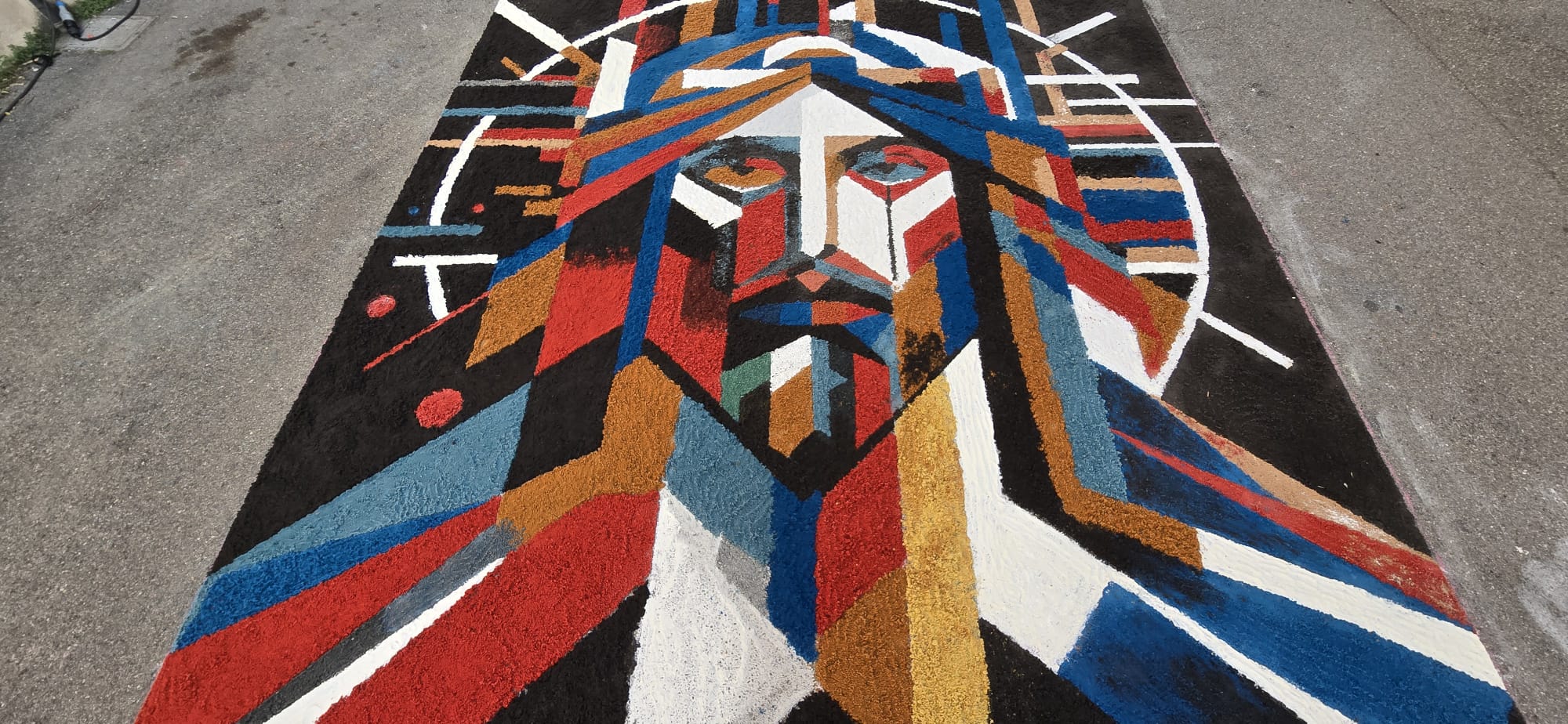
The Colored Sawdust Carpets of Corpus Domini
One of the most evocative traditions is that of the colored sawdust carpets. Families, children, volunteers, and groups of friends work together until late at night to create true works of art on the streets, blending religious symbols, creativity, and community spirit.

The Granarolo Carnival
For almost seventy years, the Carnival has been one of the village’s most beloved celebrations. Allegorical floats built directly by the people of Granarolo, masked groups, children’s trains, and food stands serving Romagnolo specialties fill the streets.
The Spaghetti Festival
Twice a year, Granarolo celebrates one of its most popular food events: the Spaghetti Festival. The stars of the event are handmade spaghetti alla chitarra, served with rich and creative recipes ranging from traditional Romagnolo flavors to more indulgent variations.
La Porcata
Among the most playful and identity-driven events is also “La Porcata,” a long convivial celebration dedicated to the flavors of rural tradition, featuring barbecues, music, conviviality, and Romagnolo humor. An event that has now become a cult gathering for many young people in the area.

A Bit of the History of Granarolo Faentino
Granarolo Faentino is the largest hamlet of the Municipality of Faenza. Its name derives from Granariolus fundus, meaning “land of grain,” a testimony to the agricultural vocation of the area. The earliest historical traces date back to 1038, and over the centuries the village became a strategic point contested by local lordships, fortified in 1317 by the Manfredi family with the construction of a castle.
For centuries, Granarolo was also an important artisan center: wheelwright workshops flourished here alongside a lively rural economy linked to farming and trade along the Naviglio Canal, inaugurated in 1782.
Today it is a peaceful village immersed in the plains between Faenza and the Lower Romagna area, still preserving strong traces of its identity: stories, public art, and traditions that continue to live on.
Granarolo is not a destination for a quick visit, but an invitation to slow down and discover a different side of Romagna. One that is not simply crossed through: it is listened to.