Ceparano is mentioned in documents as early as the 10th century, but it was from the 12th century that the site seems to have hosted a noble residence, probably a small fortress, built on the height overlooking the area near the Marzeno stream.
Today, the castle retains a majestic ogival tower and some fragments of the ancient defensive walls, along with numerous archaeological finds from the settlements that stretched along the ridge, near a spungone quarry, a typical spongy limestone of the area.
The dwellings and all the religious and civil structures uncovered by the excavations depict a small fortified village rather than a purely military fortress.
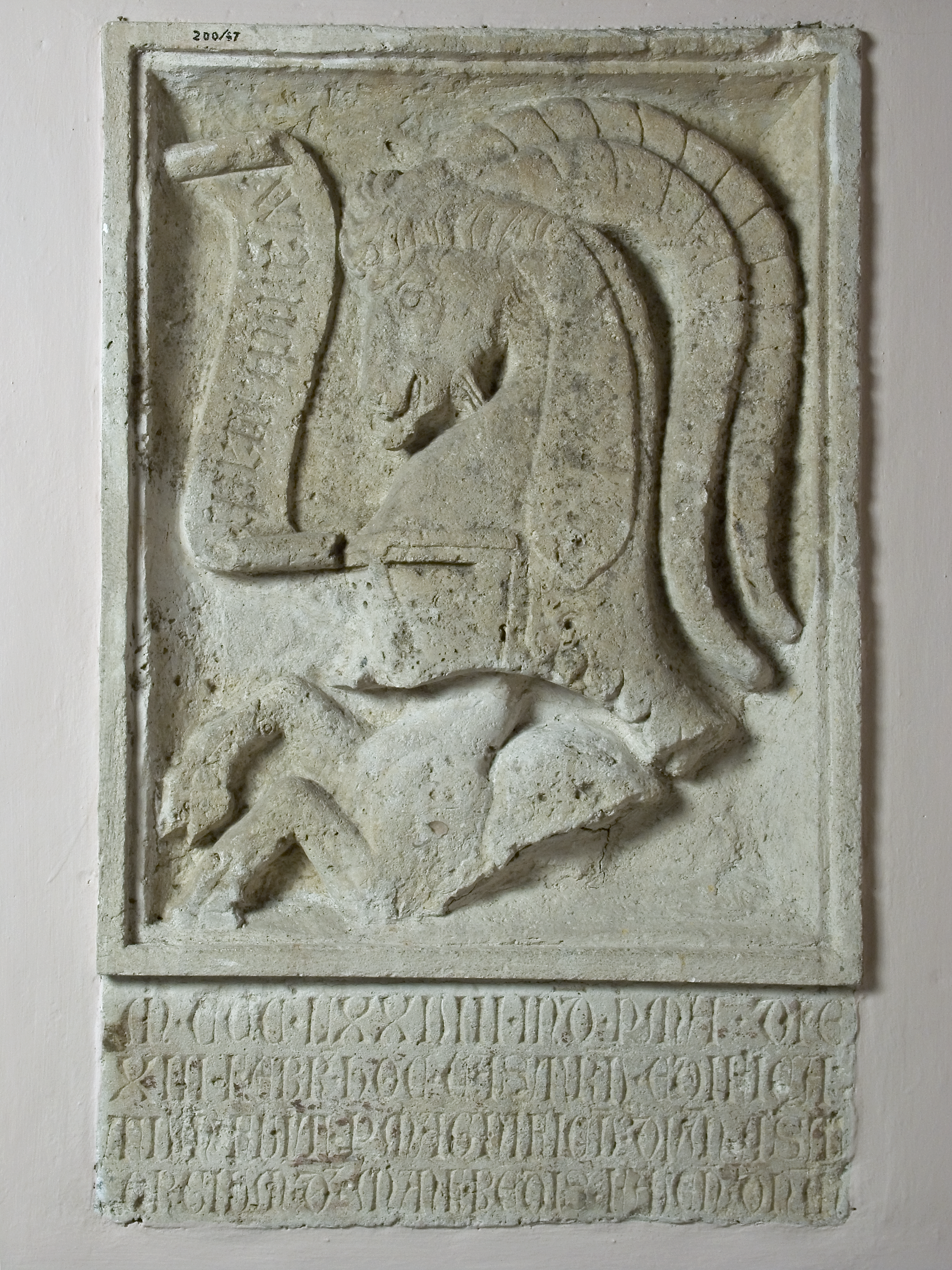
These remains tell of an era when the hills were the scene of fierce contests between noble families vying for control of Romagna and the Lamone Valley, such as the Guidi counts and the Manfredi of Faenza. Astorgio Manfredi is credited with the construction of the visible tower and the renovation of the fortified structures, as evidenced by an inscription dated 1378 from the castle, preserved in the Pinacoteca Comunale di Faenza.

The tower is a three-level structure with a cistern for water storage, featuring a sloped base and an ogival plan, designed to withstand modern siege techniques with firearms.
During the 16th century, the castle, like the Rocca and the Brisighella territory, was occupied by Cesare Borgia and later by the Republic of Venice, before being destroyed in 1577 by the Papal States.
Visiting this site is like stepping back in time, where every stone tells stories of power, strategy, and the desire for dominance.
The castle can be reached on foot via a short and easy hike starting from the Church of San Giorgio in Ceparano, following the CAI 503 trail.