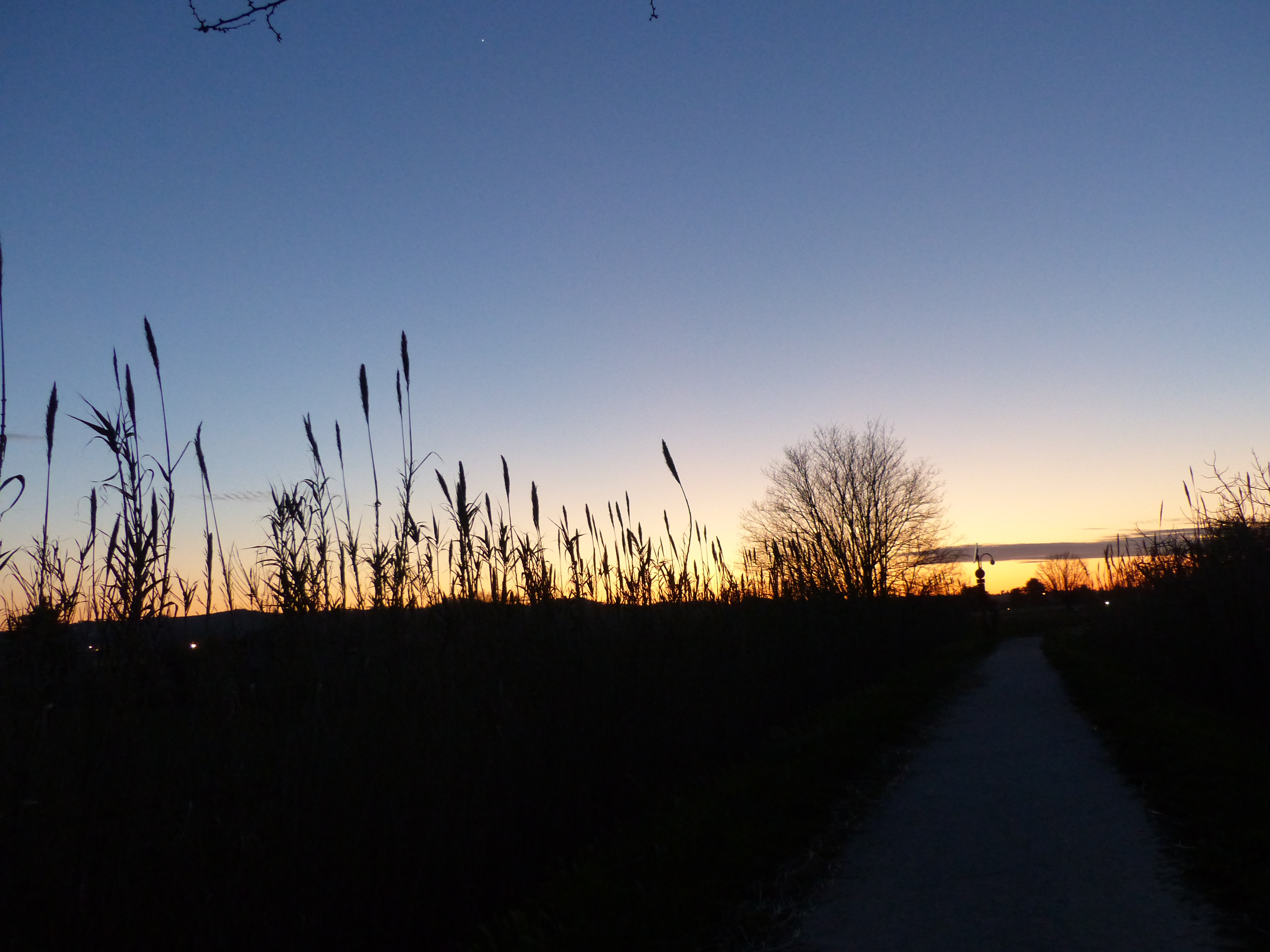
A river landscape to be discovered at the slow pace of walking, rich in cultural and natural interest.
In the hamlet of Tebano, a corner of lowland with ancient origins opens up: in 1388 Astorgio Manfredi granted the people of Bologna permission to build a weir on the River Senio at the border with Faenza, in order to divert water to supply the moat and power a mill serving the new castle.
Here a small steccaia was built, a barrier made of wooden stakes designed to divert the waters of the Senio towards the castle and the workshops through a canal. Along its course stood watermills used for grinding flour and processing crops, among which the historic Scodellino Mill has survived.

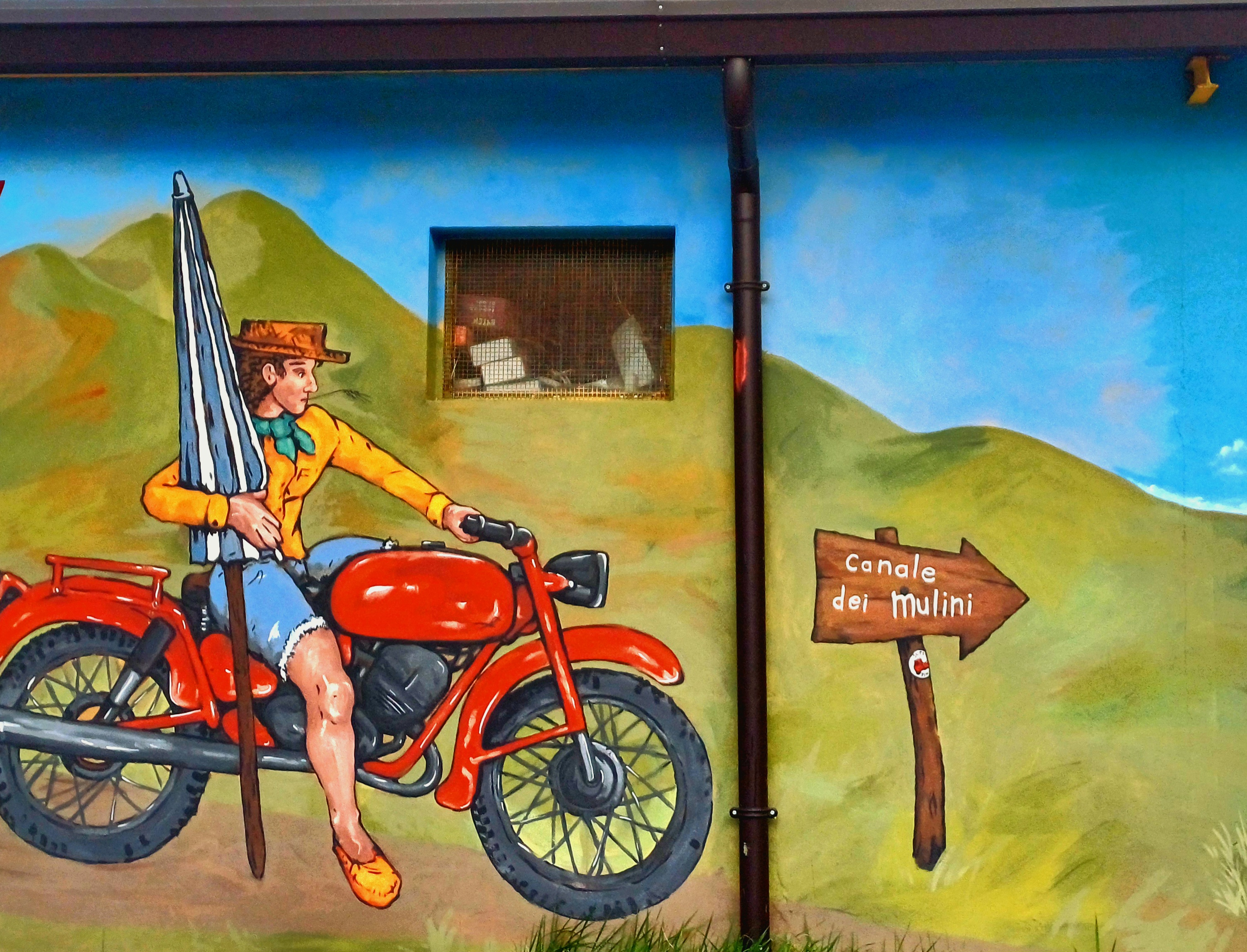
The Canale dei Mulini originates at the dam; it too was excavated at the end of the 14th century and today stretches for over 40 km between Castel Bolognese and Alfonsine, forming a naturalistic route of great interest, rich in cultural insights, leading through a rural landscape that has preserved many traditional features.
The Steccaia Dam was subject from the outset to frequent breaches and subsequent reconstructions at least until 1865, with slight shifts from its original location. The weir visible today was restored in 2006 thanks to an intervention of so-called “Leonardesque” natural engineering, using wooden piles, bundles, branches, stones and gravel, similar to the techniques employed in the Lombard canals.
The stretch of the River Senio at Castel Bolognese is an area where biodiversity is preserved and where typical spontaneous riverbank species can be observed, such as black poplars, acacias and oaks.