At the Monticino Geological Museum, visitors can observe the most characteristic geological formations of this part of the Apennines, including the Messinian Gypsum Formation, the Colombacci Formation, and the Pliocene Blue Clays.
The geosite is a reference point for researchers of evaporites and is included in the UNESCO site "Karst and Evaporitic Caves in the Northern Apennines".
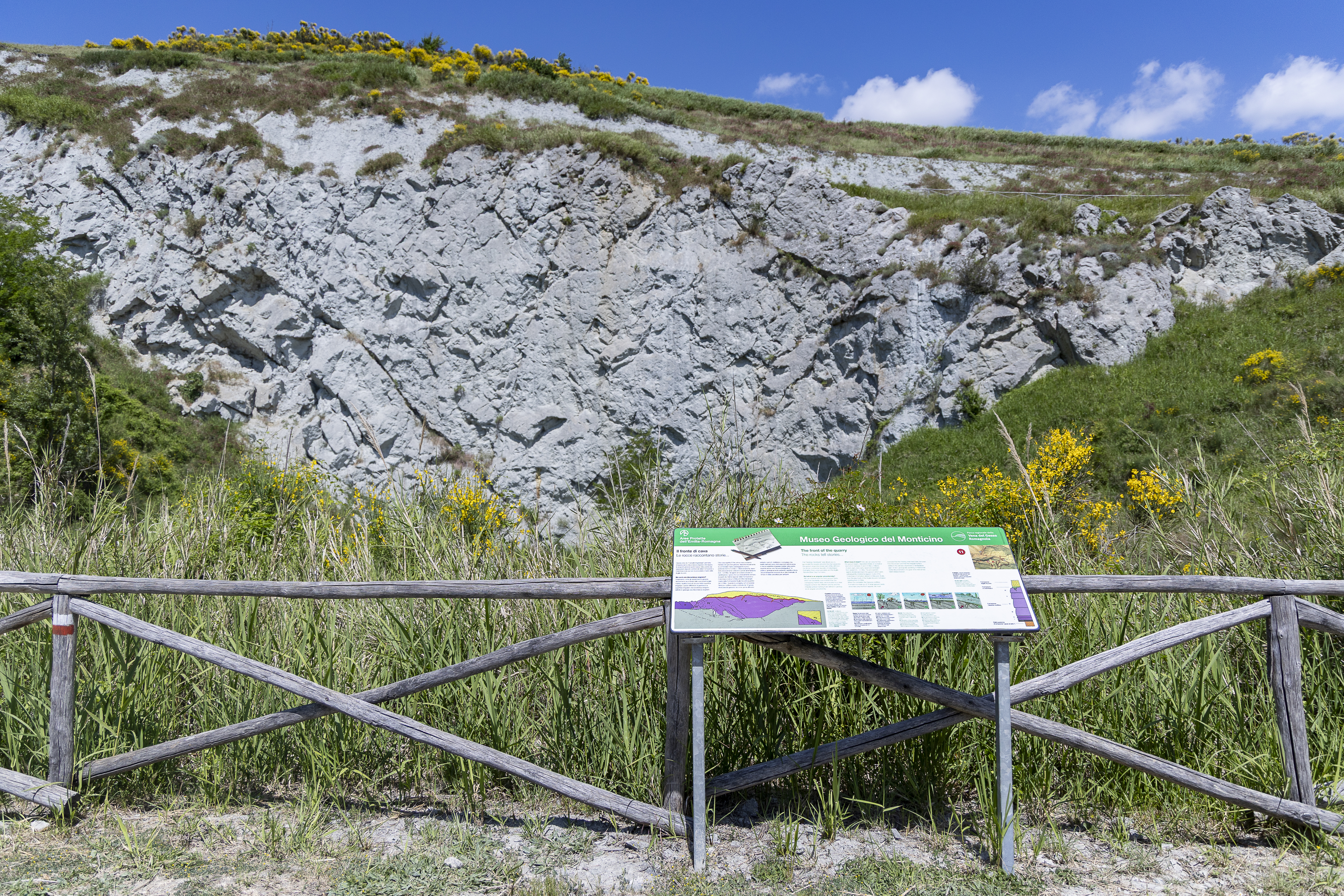
The area has been restored from an abandoned quarry, originally used for gypsum extraction, which revealed a splendid shiny geological section that characterizes the landscape of the Vena del Gesso Romagnola.
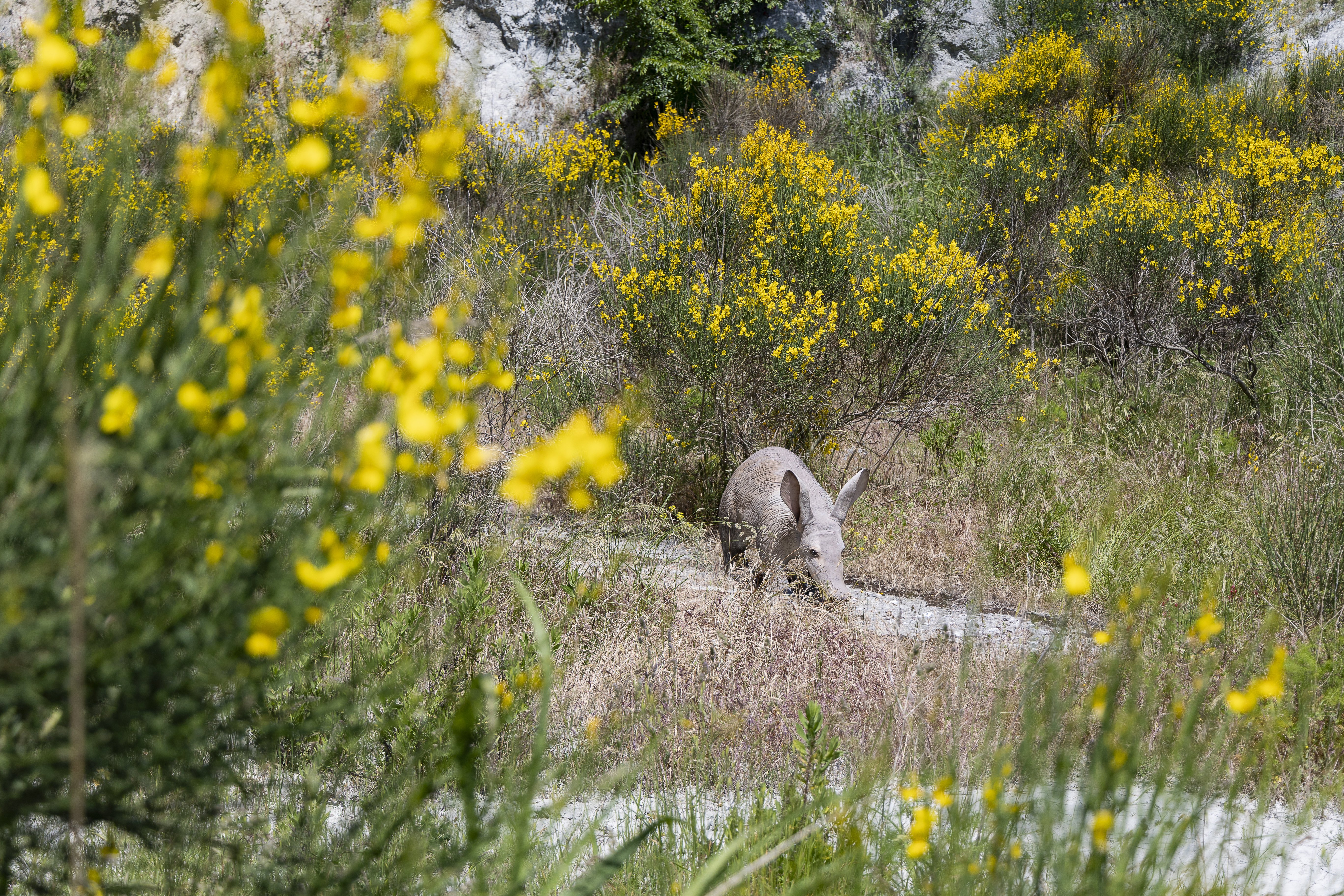
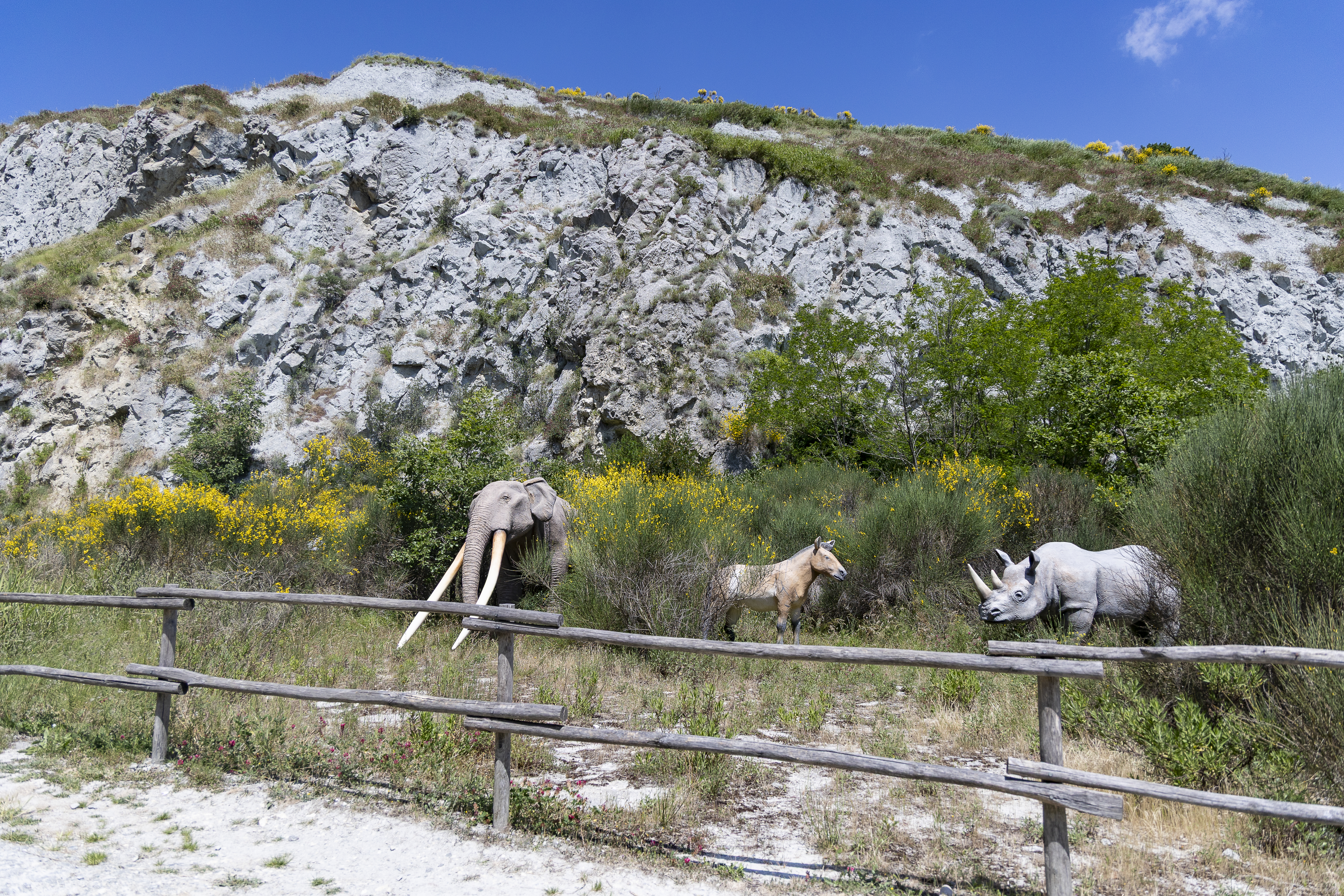
Numerous fossil remains of almost 60 species of terrestrial vertebrates from the Messinian period were found here, including rhinoceroses, monkeys, hyenas, antelopes, and rodents, some of which are preserved at the Museo Civico di Scienze Naturali di Faenza.

Visitors can explore the blind valley and observe the . An equipped trail crosses the large quarry wall, offering the exceptional opportunity to walk safely along the contacts between different rock units.
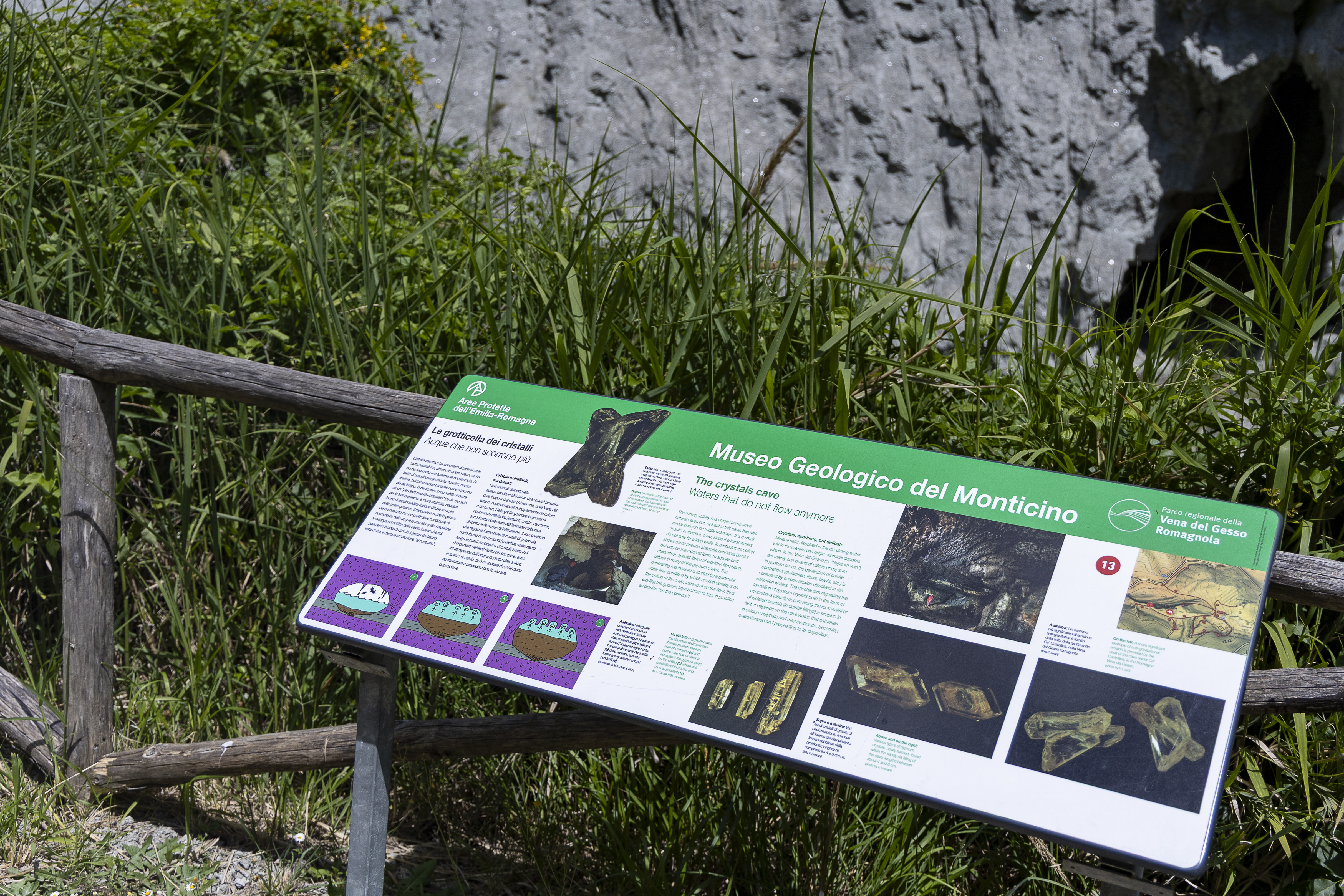
Along all the trails that traverse the Open-Air Museum, informative panels guide visitors in discovering the most interesting geological and naturalistic aspects.