A medieval village nestled into the rock face, with a unique profile shaped by three gypsum hills, covered in lush vegetation and topped by three iconic monuments.
Brisighella is the perfect destination for a restorative stay, where you can indulge in fine dining, sports, and outdoor activities within the breathtaking landscape of the Vena del Gesso Romagnola Regional Park, a UNESCO World Heritage site.
Start from the heart of the village, where the central Piazza Marconi welcomes you with the vibrant hues of colorful houses that immediately catch the eye. Looking upwards, you will notice that the windows are not all the same: a row of lunettes runs along the entire building complex of the square, right above the doorways, small bars, and osterias.
These are the openings of the ancient Via degli Asini (Donkey Alley), or Via di Borgo, a covered road embedded in the rock. It takes its name from the donkeys once used to transport gypsum from the quarries, who were brought here to rest.

Above the center lies hilly Brisighella, with its panoramic trails offering different shades and atmospheres depending on the season.
Starting from Via degli Asini, you can reach the three hills on foot. A short hike will lead you to the three symbolic landmarks of this territory: the Manfrediana Fortress, the Clock Tower, and the Sanctuary of Monticino.
From the covered alley, a flight of steps leads to the Clock Tower, featuring its distinctive six-hour dial. From here, your gaze embraces the village and the entire Lamone Valley. The climb requires a little effort: take your time, it will be well worth it!

Continue along a level path for a visit to the Manfrediana Fortress, with its Renaissance walls designed to withstand firearms and the grand circular tower, known as the "Venetians' Tower," named after those who conquered Brisighella at the beginning of the 16th century. Inside, do not miss the Museum of Man and Gypsum, which explores the deep relationship between this land and the mineral that defines its landscape.

Head back to the path and climb towards the third hill, where the Sanctuary of the Madonna del Monticino awaits, a fine example of local neoclassical taste. From here, if you are ready for a longer excursion, you can descend to the Monticino Geological Museum, where you can observe the typical formations of this part of the Apennines amidst the scent of broom flowers.
If you are looking for what to see in Brisighella with children, this is the perfect spot: here you will find trails with explanatory signs and faithful reproductions of the animals that inhabited our hills 6 million years ago.


If you are wondering what to see in Brisighella in half a day, the itinerary between Via degli Asini and the three hills with their monuments is ideal: history, scenery, and a light trek will take you to the most evocative spots of the medieval village.
All that remains is something delicious to taste in one of the village's osterias or a farmhouse. Don't miss the Spoja Lorda, the classic stuffed pasta of these hills. Its dialect name—meaning "dirty sheet"—comes from the traditional "recovery kitchen" style, where a thin layer of pasta is lightly "dirtied" with a spread of cheeses and served in broth.

If you have a little more time to stay with us, we have more tips for you.
Brisighella is one of the "Most Beautiful Villages in Italy" (Borghi più Belli d'Italia) and there is still so much more to see and experience. For a weekend dedicated to tradition and good food, we recommend planning your stay to coincide with one of the many festivals (sagre) that enliven this land: food stalls, markets selling local products, and carefully reinterpreted dishes in the ancient alleys, accompanied by local folklore performances. Check the Around Faenza events calendar!
Every year towards the end of May, Brisighella hosts the Medieval Festivals, a grand historical reenactment of the Renaissance events of this land. It offers the perfect opportunity to dive into the past and visit the village in a festive and convivial atmosphere.

Brisighella is a "City of Oil," and its gold is the DOP extra virgin olive oil.
Walk the Olive Oil Trail, a route of about 7 km among centuries-old olive trees and historical sites within the landscapes of the Vena del Gesso Romagnola Park. Along the way, you will encounter the Romanesque Parish Church of San Giovanni in Ottavo, known as Pieve del Thò—the oldest in the Lamone Valley—which houses an ancient Roman olive millstone.

Go from the olive groves to the table: every restaurant or inn in Brisighella offers dishes based on the local DOP extra virgin olive oil, or you can opt for a tasting directly at an oil mill to see the production cycle up close.
If you still feel like walking, don't miss a trip to Carnè Park, with its visitor center and refreshment point for hikers. This is one of the main access points to the Vena del Gesso Romagnola Park, a UNESCO World Heritage site, which reveals itself through its trails and underground landscapes. If you are a speleology enthusiast, book a guided tour of the Tanaccia Cave and descend into the heart of the earth, among canyons and environments carved into the gypsum.

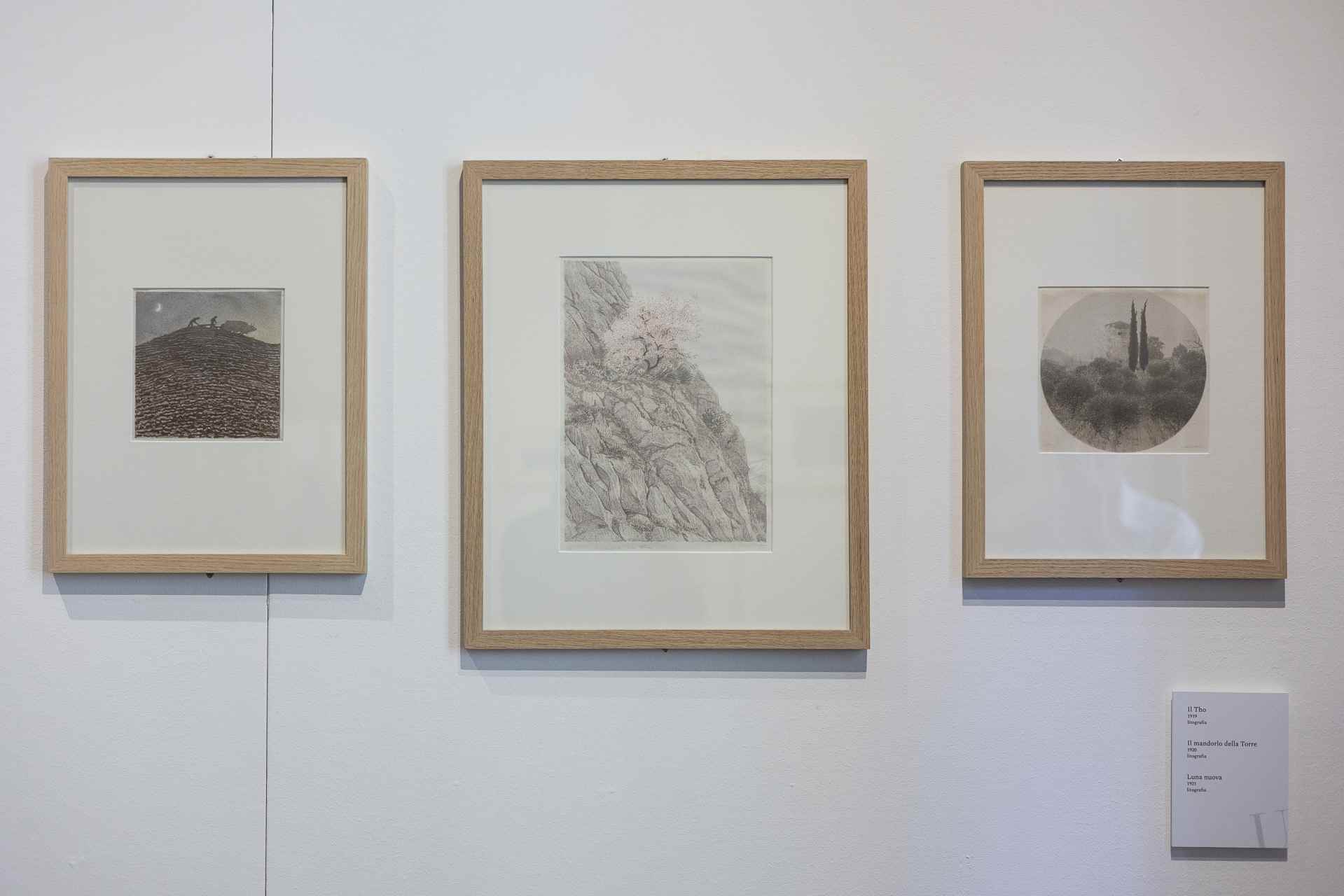
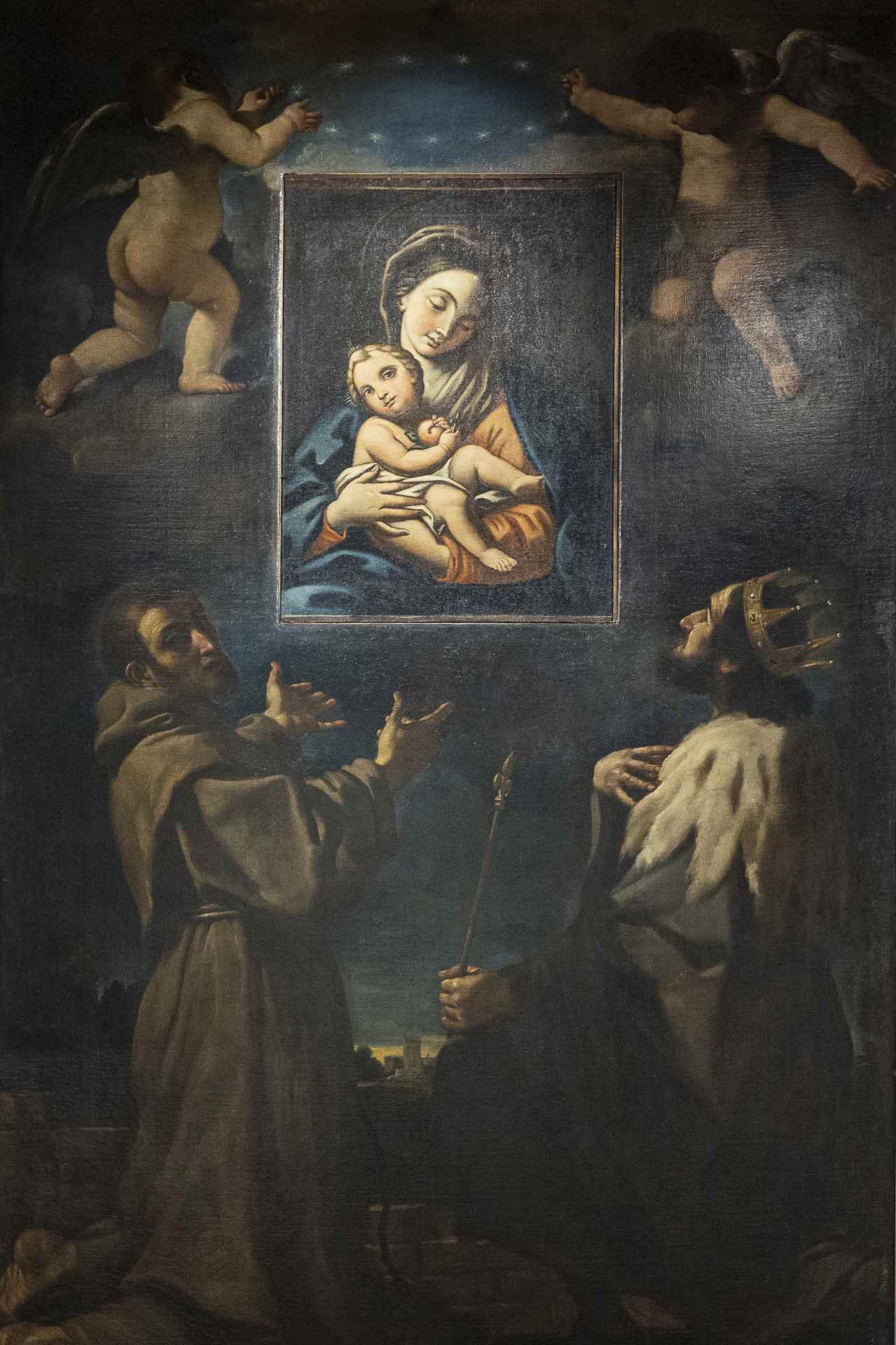
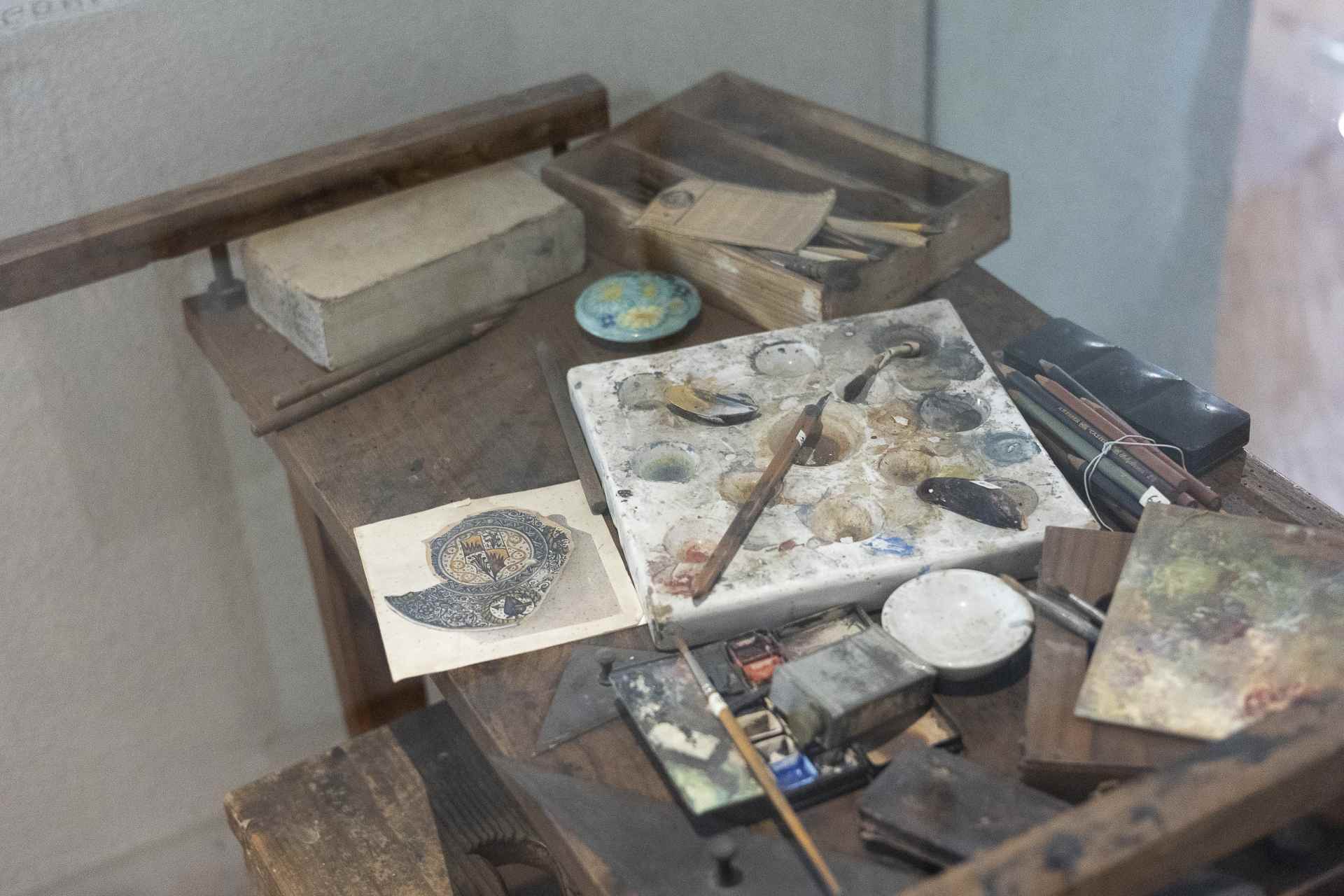
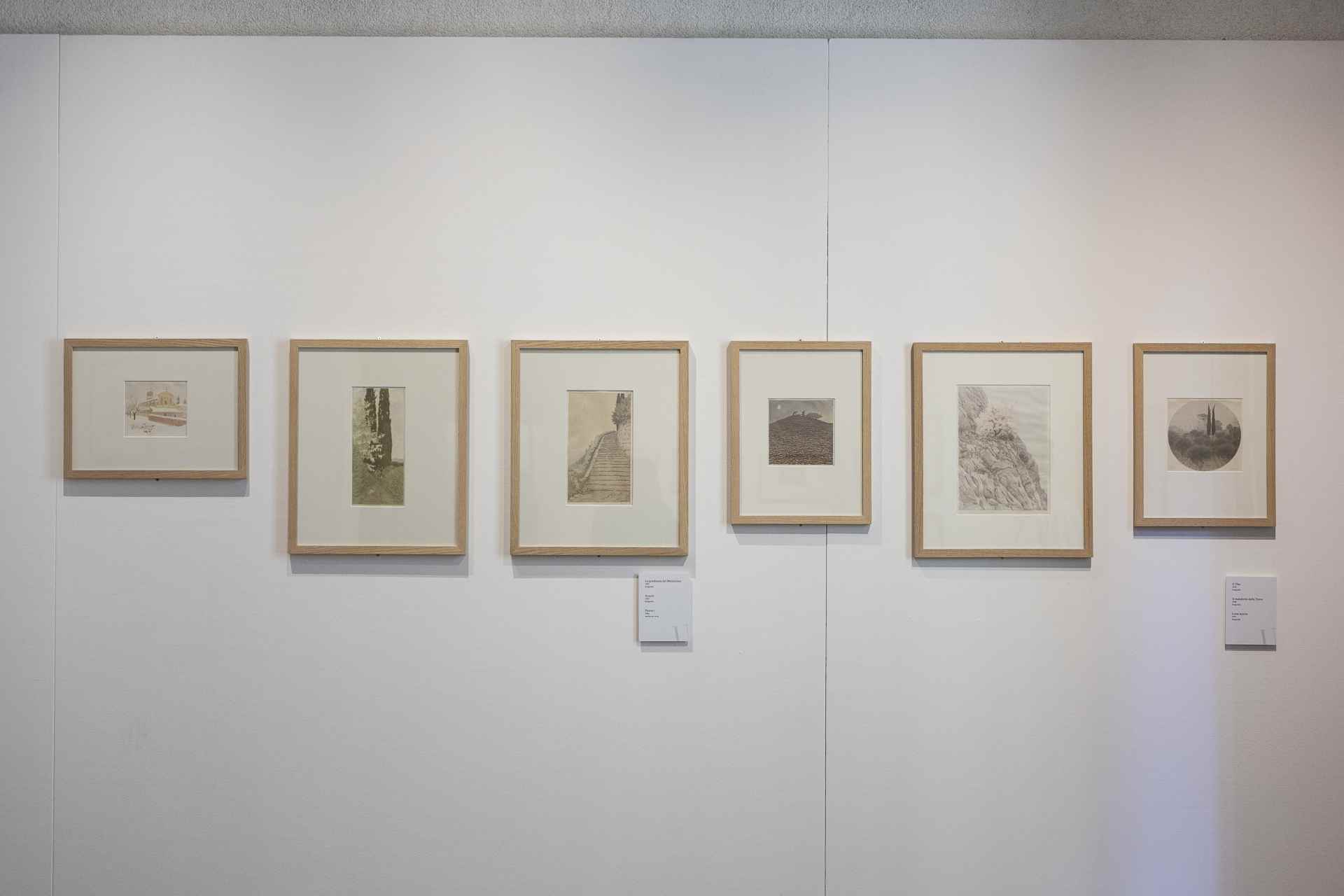
Fascinated by the landscapes? Then don't miss the Ugonia Museum, where you can admire drawings, engravings, and watercolors by the Faenza artist Giuseppe Ugonia, who depicted Brisighella—the land he loved—with an intimate and poetic gaze. The museum also houses a rich collection of Romagna artworks and the grand 1618 altarpiece by Guercino, Saint Francis of Assisi and Saint Louis of France.


Useful tips:
- To reach the village, you can take a train on the panoramic Faenza - Florence line and arrive directly in the historic center.
- If you arrive by car and are looking for parking in Brisighella, we recommend the railway station parking lot in Viale Alcide De Gasperi.
- Plein air enthusiasts can stay at the municipal camper area in Piazza Donatori del Sangue, which offers 18 pitches with services and electrical hookups.
Brisighella is an unmissable stop: the village with its monuments, the landscape, the excellent cuisine, and the typical Romagna hospitality await you for a slow holiday, to be lived outdoors among scents and colors.